

Key Takeaways
Why Watering Is Harder Than It Looks
Most new gardeners assume that watering is the easy part - just point and spray. In practice, poor watering habits are responsible for more struggling and dying plants than almost any other factor. The core issue is that plants need water in the right amount, at the right depth, and at the right time. Getting one of those wrong throws off the other two.
Before adjusting your routine, it helps to understand what water actually does for a plant. Roots draw moisture upward through the stem to fuel photosynthesis, nutrient transport, and cell structure. When water is scarce, plants wilt. When it's excessive, roots are deprived of the oxygen they need to function, and rot can set in quickly. The goal is consistently moist soil - not soggy, not bone dry.
Your soil type also plays a major role. Sandy soil drains fast and dries quickly; clay soil holds moisture longer but can become waterlogged. Knowing your soil helps you adjust how often and how much you water.
The Best Time to Water - and Why It Matters
Timing your watering session makes a real difference. Early morning - roughly between 6 and 10 a.m. - is generally the most effective window. At that hour, temperatures are cool, wind is typically calm, and the sun hasn't begun evaporating moisture from the soil. Water soaks in rather than disappearing into the air.
Watering in the evening is sometimes necessary but comes with a trade-off: wet foliage overnight creates conditions that favor fungal diseases such as powdery mildew and leaf blight. If you must water in the evening, aim the water at the base of the plant rather than overhead.
Midday watering in summer is largely wasteful - a significant portion evaporates before it reaches plant roots - and can occasionally stress plants already dealing with heat. Morning watering remains the most reliable default for most garden setups.
Morning Watering Pays Off All Day
If you can only make one change to your watering routine, switch to morning. Plants have the moisture they need before the heat of the day kicks in, and leaves stay dry through the night. Even 10 minutes earlier in your day can meaningfully improve plant health over a season.
Depth Over Frequency: Training Roots to Go Deep
One of the most common beginner mistakes is watering a little every day. Light, frequent watering keeps moisture near the soil surface, which encourages shallow root systems. Shallow-rooted plants are more vulnerable to drought, heat stress, and wind. They become dependent on you rather than drawing on deeper soil reserves.
A better approach is to water less often but more thoroughly. For most garden beds, that means watering until moisture has penetrated 6 to 8 inches into the soil. You can check this by digging a small hole with a trowel or soil probe an hour after watering. If the moisture only reached 2 to 3 inches down, you haven't watered enough.
Deep watering encourages roots to follow moisture downward, which builds a more resilient plant. Many established vegetable and flower beds do well with one to two thorough waterings per week, depending on weather, plant type, and soil. Always check actual soil moisture before watering - don't water on a fixed schedule if rain has done the job already.
Common Pitfalls That Catch Beginners Off Guard
Check soil moisture before every watering session
Visual cues like wilting can be misleading - plants sometimes wilt from heat stress, not drought. Pressing your finger 2 inches into the soil gives you an accurate picture of actual moisture levels, preventing unnecessary watering.
Water at the base of plants, not overhead
Wetting foliage unnecessarily increases the risk of fungal diseases, especially in humid conditions. Directing water to the root zone also ensures moisture goes exactly where it's needed rather than evaporating off leaves.
Apply mulch to slow moisture loss between waterings
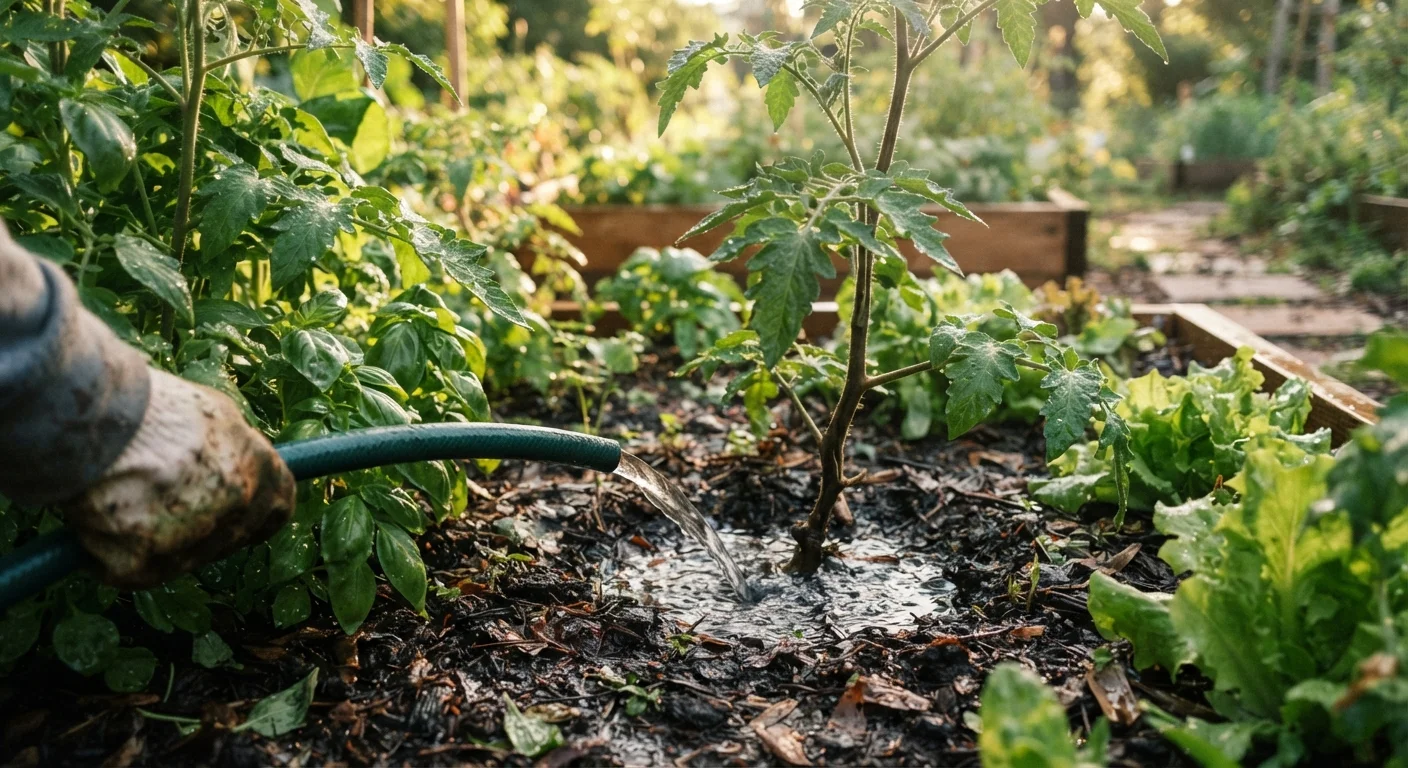
A 2- to 3-inch layer of organic mulch - such as straw, shredded leaves, or wood chips - significantly reduces evaporation from the soil surface. This can cut watering frequency substantially during warm months and helps stabilize soil temperature.
Avoid watering on a fixed daily schedule regardless of conditions
Plants don't need water on a human schedule - they need it based on actual soil conditions and weather. Watering on autopilot leads to overwatering after rain or underwatering during a heat wave.
Water containers more frequently than in-ground beds
Pots and containers have limited soil volume that dries out much faster, especially in warm or windy weather. Without closer monitoring, container plants can become stressed within a single hot afternoon.
Beyond timing and depth, a handful of specific habits tend to trip up new gardeners. Being aware of them in advance puts you well ahead. If you're also growing from seed or recently transplanted seedlings, see our guide on why seedlings fail after germination - overwatering is one of the leading culprits covered there.
Container and raised-bed gardeners face a particular challenge: these setups dry out considerably faster than in-ground beds. A raised bed on a hot day may need watering twice as often as the same plants in the ground. See our piece on choosing the right growing setup for more on how each system affects moisture retention.
Quick Wins to Improve Your Watering Right Now
A few adjustments can make an immediate difference without requiring new tools or extensive changes to your routine.
For a broader look at habits that support a thriving garden from the start, the garden readiness checklist walks through soil, tools, and setup factors that all connect to how well your watering will work.