

Key Takeaways
Brake Pads and Rotors
Brake pads are friction material pressed against a spinning metal disc (called a rotor) to slow your vehicle when you press the brake pedal. Together, they convert your car's forward momentum into heat, bringing you to a stop. Both components wear down gradually with every stop you make, which is why periodic inspection and replacement are essential.
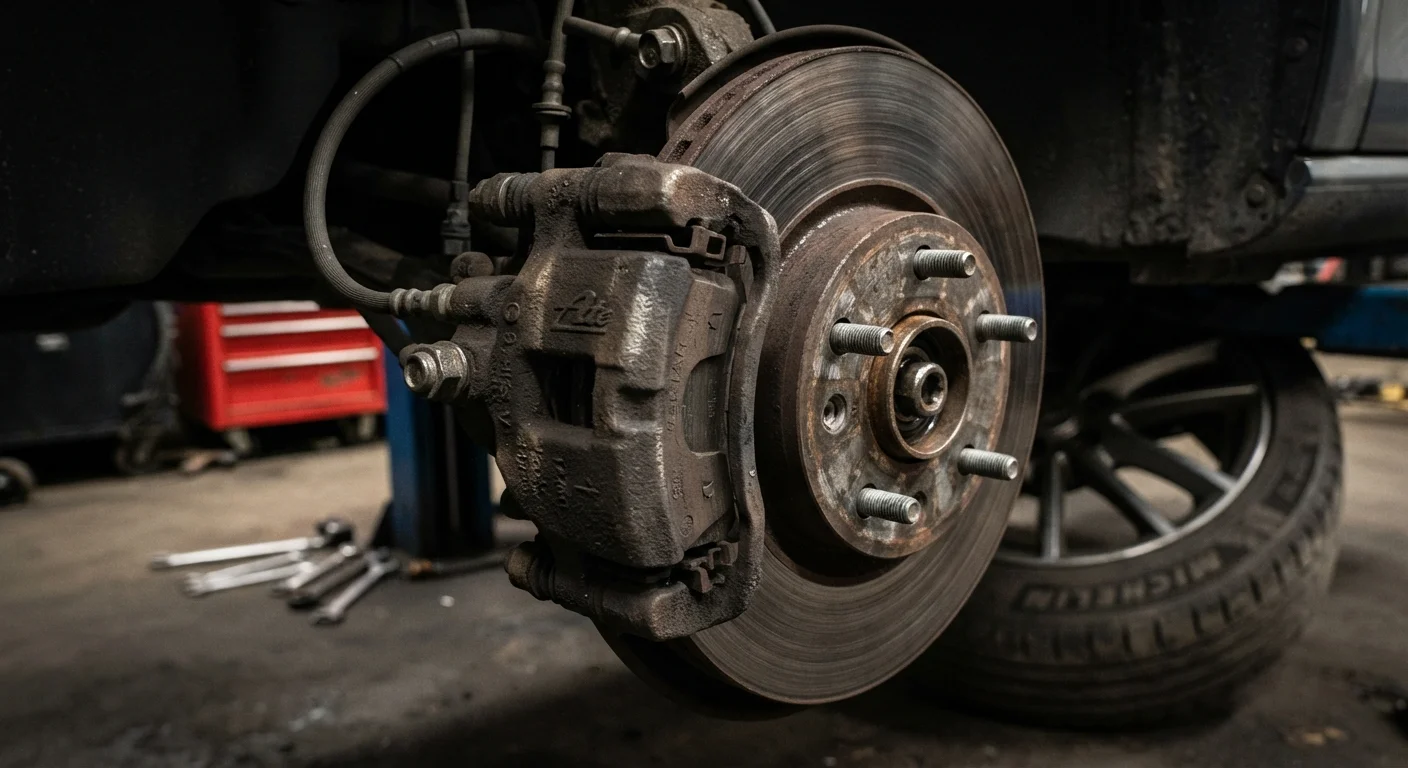
Most passenger vehicles use disc brakes on all four wheels. The caliper is the clamp-like housing that holds the brake pads and squeezes them against the rotor when hydraulic pressure is applied.
How Brake Pads and Rotors Work Together
Every time you press the brake pedal, hydraulic fluid pushes the brake caliper to squeeze two brake pads against a spinning rotor. The friction created slows the rotor - and by extension, your wheel - bringing the vehicle to a stop. It's a remarkably effective system, but it depends on having adequate material on the pads and a rotor surface that's smooth and thick enough to handle the heat generated during braking.
Brake pads are made of a friction compound bonded to a metal backing plate. As pads wear, that compound thins. Rotors, meanwhile, gradually thin from years of friction contact and can develop surface imperfections. Most manufacturers specify a minimum thickness for both components; falling below those thresholds affects braking performance and safety.
For a broader look at how ignored maintenance can cascade into bigger problems, see why deferred maintenance escalates.
Sounds Your Brakes Make - and What They Mean
Brakes are unusually communicative. The sounds they make are often deliberate signals built into the system or tell-tale signs of wear. Here's how to interpret the most common ones:
- High-pitched squealing: Most brake pads include a small metal tab called a wear indicator. When the pad wears to a certain thinness, this tab contacts the rotor and produces a squealing sound - essentially an audible reminder that inspection is due. This sound typically occurs during normal braking and often disappears when you apply firm pressure.
- Grinding or growling: This is the sound of metal contacting metal - usually meaning the pad material has worn away completely and the metal backing plate is scraping directly on the rotor. This is more urgent. Continued driving in this state damages the rotor surface and compromises stopping power.
- Clicking or rattling: Loose brake hardware or a pad that's shifted in its bracket can cause clicking. While sometimes minor, it's worth having inspected to rule out a component that's working loose.
- Scraping when not braking: If you hear scraping at low speed even without touching the pedal, debris may be caught between the pad and rotor, or a caliper could be sticking - meaning it isn't releasing fully after braking.
Know Your Cold-Morning Squeal
A brief squeal during the first few stops on a cold or damp morning is usually surface rust burning off the rotor - a normal occurrence that clears up quickly. Squealing that persists throughout your drive, especially accompanied by reduced stopping power, is the kind that deserves a professional look.
Not all brake noise is an emergency. Light squealing on a cold or damp morning that clears up within a few stops is common and generally not a concern. Persistent noise - especially grinding - during normal driving conditions warrants prompt professional attention.
Other Warning Signs Beyond Sound
Brake problems don't always announce themselves acoustically. Pay attention to these physical sensations too:
- Vibration or pulsing pedal: If the brake pedal pulses under your foot during stops, the rotor may have become warped from heat cycles. This is called rotor runout, and it means the rotor surface is no longer perfectly flat, causing uneven pad contact.
- Vehicle pulling to one side: If your car veers left or right during braking, one side's brakes may be applying unevenly - a stuck caliper or uneven pad wear is a common cause.
- Soft or spongy pedal: A pedal that travels further than usual before braking engages can indicate air in the hydraulic brake lines or low brake fluid. This is a safety concern that needs professional evaluation promptly.
- Brake warning light: Many vehicles have a dashboard indicator that illuminates when brake fluid is low or when the electronic parking brake system detects an issue. See what your dashboard warning lights actually mean for guidance on interpreting these signals.
~20%
Of vehicles inspected found to have brake deficiencies
The Car Care Council has consistently noted in vehicle inspection campaigns that roughly 1 in 5 cars shows measurable brake system issues.
3-7 years
Typical brake fluid replacement interval
Brake fluid absorbs moisture over time, which lowers its boiling point; most manufacturers recommend flushing every few years, though intervals vary by vehicle.
How Often Should Brakes Be Inspected?
Brake wear varies considerably based on driving habits, vehicle weight, terrain, and the quality of the brake components. City driving, with frequent stop-and-go traffic, wears pads more quickly than highway driving. Towing or driving in hilly areas also accelerates wear.
As a general rule, a qualified mechanic should visually inspect your brakes at least once a year - many shops do this during routine tire rotations, since the wheels need to come off anyway. If any of the symptoms described above appear, don't wait for the annual visit. For context on how your tires and brakes relate during inspection, tire rotation habits offers useful complementary maintenance guidance.
If you've ever wondered how braking myths might affect your driving decisions, common braking misconceptions is worth reading alongside this article. And for understanding what to do if brakes fail unexpectedly, handling sudden brake failure provides clear, practical guidance.
Brake repairs are not a DIY project for most drivers - the hydraulic system, caliper hardware, and precise torque specifications involved make this a job for a licensed mechanic. What you can do is stay alert to symptoms, act early, and avoid letting a straightforward pad replacement become a rotor replacement by driving on worn brakes longer than you should.