

Key Takeaways
Applicant Tracking System (ATS)
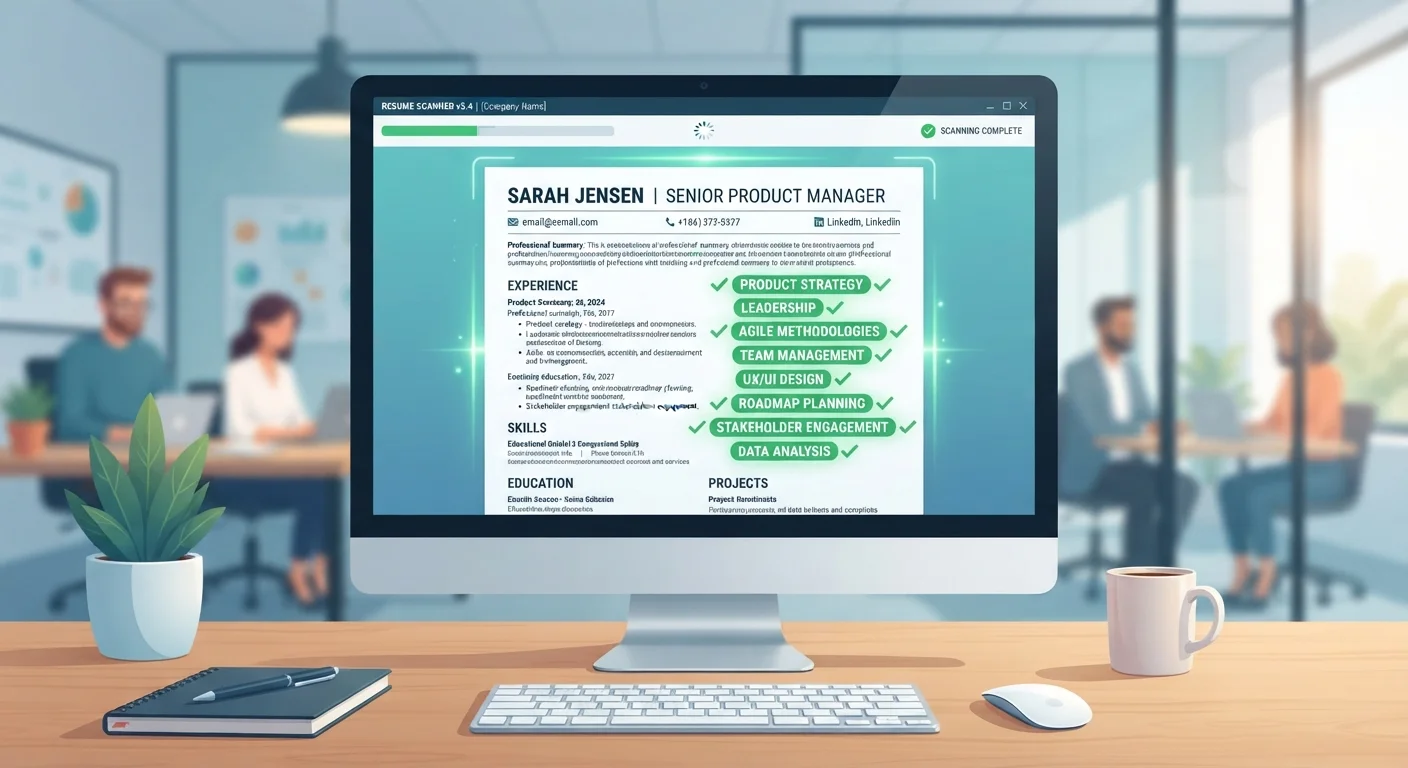
An Applicant Tracking System, commonly called an ATS, is software that employers use to collect, organize, and filter job applications. When you submit a résumé online, it almost always passes through an ATS before a human recruiter sees it. The software scans your application for relevant keywords, qualifications, and formatting, then ranks or filters candidates based on how well they appear to match the job posting.
Most enterprise-level ATS platforms integrate directly with a company's human resources information system (HRIS) and can parse résumé data into structured fields for comparison across large candidate pools.
How an ATS Actually Works
When you click "Submit" on a job application, your résumé enters a digital pipeline. The ATS pulls structured data from your document - your name, work history, education, skills - and maps it against the requirements in the job posting. It then scores or ranks your application, often based on how many relevant keywords and qualifications appear in your résumé.
Recruiters at large organizations may receive hundreds of applications for a single role. The ATS narrows that pool to a manageable shortlist, so only the highest-scoring candidates are typically reviewed by a human. If your résumé doesn't register well with the software, it may never reach a recruiter's screen - regardless of your actual experience.
This is why understanding ATS basics matters so much. It's not about gaming the system dishonestly; it's about making sure your qualifications are presented in a way the software can accurately read and evaluate. For a broader look at how hiring technology fits into today's job market, see The Modern Job Search: What's Actually Changed and What Hasn't.
~75%
Résumés screened by ATS before human review
Industry estimates from HR research groups have long suggested that the large majority of résumés submitted to major employers pass through ATS software before a recruiter sees them.
98%
Fortune 500 companies using ATS
According to widely cited recruiting industry research, nearly all Fortune 500 companies rely on applicant tracking systems to manage high application volumes.
250+
Average applications per corporate job opening
Research from recruiting analytics firms indicates that corporate job postings routinely attract hundreds of applicants, making automated screening tools a practical necessity for employers.
What ATS Software Looks For
ATS platforms vary by vendor, but most evaluate applications along a few consistent dimensions:
- Keywords: Terms drawn directly from the job description - skills, job titles, certifications, and tools. If the posting says "project management" and your résumé says "project coordination," some systems won't make that connection.
- Qualifications: Education levels, years of experience, and specific credentials. Many systems allow recruiters to set hard filters (e.g., "must have a bachelor's degree") that automatically exclude non-matching résumés.
- Formatting compatibility: An ATS parses your document to extract data. Unusual layouts, embedded graphics, or non-standard fonts can confuse the parser and cause your information to be misread or lost entirely.
One common mistake job seekers make is submitting the same generic résumé to every posting. The ATS is matching your document against a specific job description - so a résumé tailored to that posting will almost always outperform a one-size-fits-all version. Learn more about other common hiring process missteps that hold candidates back.
Practical Steps to Improve Your ATS Score
You don't need to be a tech expert to navigate an ATS effectively. A few consistent habits make a significant difference:
- Mirror the job posting language. Read the job description carefully and incorporate key phrases - exactly as written - into your résumé where they honestly reflect your experience. If the posting says "data analysis," use that phrase rather than a synonym.
- Use a clean, simple résumé format. Stick to a single-column layout with standard headings. Save your résumé as a .docx or .pdf file unless the employer specifies otherwise - both are widely supported.
- Include a skills section. A dedicated skills section near the top of your résumé gives the ATS a concentrated cluster of keywords to parse quickly.
- Spell out acronyms once. Write "Search Engine Optimization (SEO)" rather than just "SEO" to cover both versions a system might search for.
Tailor Every Résumé Before You Apply
Open the job posting and identify five to eight keywords or phrases that appear prominently. Check that those same terms appear naturally in your résumé - in your job descriptions, skills section, or summary. This single habit is one of the highest-impact things you can do to improve ATS performance without misrepresenting your background.
Applying through a company's own careers page (rather than a third-party job board) can sometimes improve how cleanly your résumé is processed, since the ATS is directly integrated with that employer's system. For guidance on where to focus your applications, see Job Boards vs. Direct Company Applications.
Keeping the Human Element in Perspective
ATS software is a filter, not a final decision-maker. Every résumé that clears the system still gets read by a person - which means clarity, strong writing, and honest representation of your background matter just as much as keyword optimization. A résumé stuffed with keywords but lacking substance will still fall flat with a recruiter.
Networking can also help you sidestep or supplement the ATS stage. A referral from someone inside the company can put your application directly in front of a hiring manager, reducing your reliance on algorithmic screening. If you're unfamiliar with how different platforms handle applications, LinkedIn, Indeed, and Beyond: How Job Search Platforms Differ is a useful starting point.
Finally, if any of this terminology feels new, a solid reference is Key Job Search Terms Every Beginner Should Know, which defines common hiring vocabulary in plain language. The more fluent you are in how these systems work, the more confidently you can navigate them.