

Key Takeaways
Summary
18 items · 30-60 minutes
Why a Readiness Checklist Changes Everything
Most first-time gardeners lose plants not because of bad luck, but because of skipped steps. They buy exciting seeds or seedlings, find a promising patch of ground, and start digging - only to discover later that the spot gets shade all afternoon, the soil is hard clay, or the last frost date was two weeks away. A few hours of preparation can spare months of frustration.
This checklist walks you through every foundational check worth making before a single seed goes in the ground. Whether you're planning a small container setup on a balcony or a proper vegetable patch in the backyard, the same principles apply. If you're still deciding on your growing method, our guide to raised beds, containers, or ground planting can help you commit to the right approach first.
Think of this checklist the way you'd think of any pre-project audit - similar in spirit to how planning before redecorating a room prevents costly mistakes. In gardening, the prep work is the work.
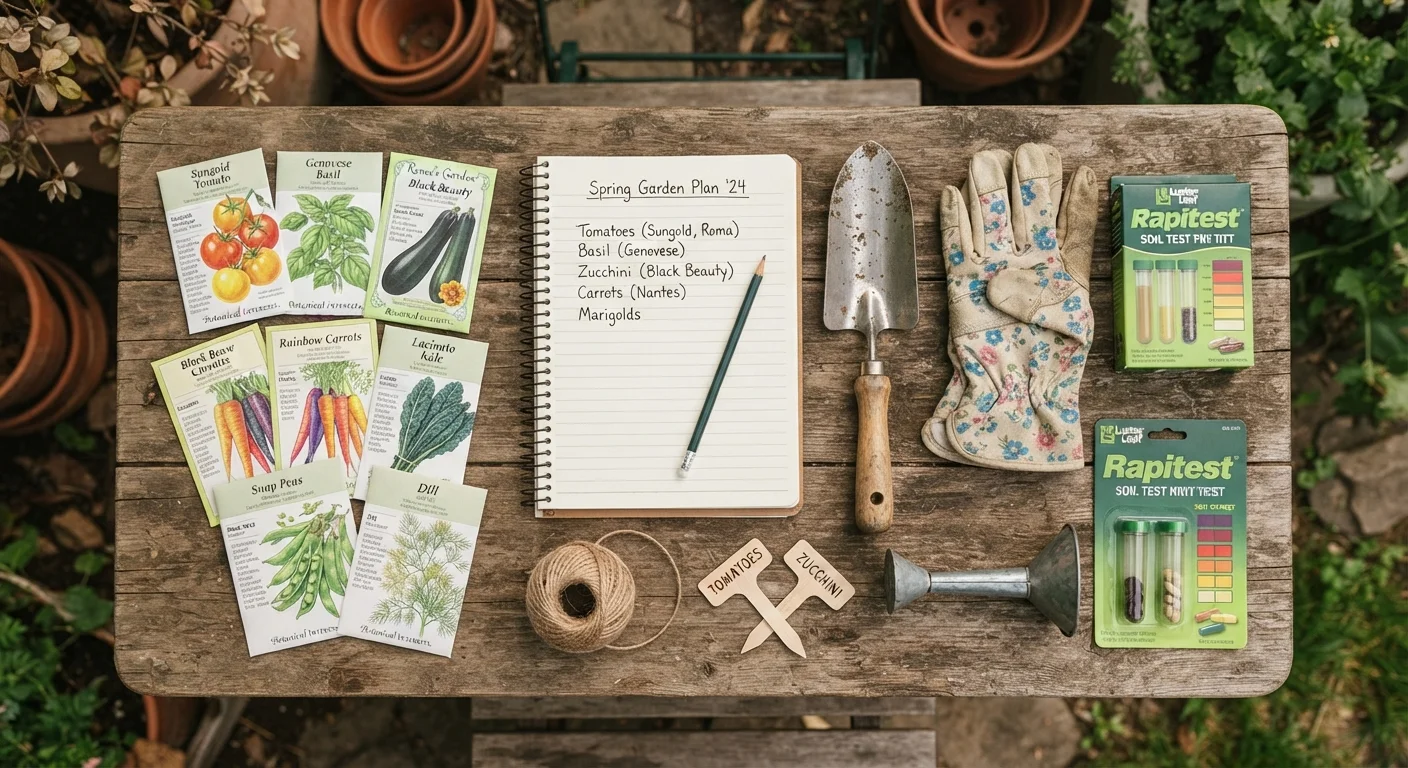
Tools and Resources You'll Need
Before diving into the checklist itself, gather these basics. Having everything on hand means you won't stall mid-assessment.
Soil test kit
Measures soil pH and key nutrient levels so you know what amendments your garden bed needs before planting.
Measuring tape
Helps you record the dimensions of your planting area accurately for spacing and layout planning.
Compass or sun-tracking app
Identifies which direction your garden faces so you can estimate daily sunlight hours reliably.
Garden notebook or planner
Records your observations, test results, plant choices, and planting dates in one organized place.
Basic hand tools (trowel, gloves, hand fork)
Essential for soil assessment, amending, and eventual planting tasks.
Compost or aged organic matter
Used to improve soil structure and nutrient content before planting; supports <a href="/home-garden/gardening-basics/composting-at-home-turning-kitchen-scraps-into-garden-gold">home composting</a> as an ongoing practice.
The Complete Garden Readiness Checklist
Work through these groups in order - each one builds on the last. Check off items as you go, and note anything that needs follow-up action before planting day arrives.
Know Your Site
Understand Your Soil
Match Plants to Climate
Plan Your Space
Gather Tools and Supplies
Don't Skip the Frost Date Check
Planting too early is one of the most common beginner mistakes, and a single late frost can wipe out an entire bed of seedlings overnight. Look up your local last expected frost date through your state's cooperative extension service or the USDA website before planting anything outdoors. Even after that date, keep an eye on the extended forecast - late cold snaps do happen, and a lightweight row cover can protect plants when temperatures unexpectedly dip.
What Comes Next
Once you've worked through this checklist, you're genuinely ready to make plant decisions rather than guesses. The next step is choosing what to grow - and how to start it. Our guide to starting from seed versus buying seedlings lays out the trade-offs clearly for beginners.
Soil health is worth revisiting in more depth too. Understanding what soil your garden actually needs will help you interpret your test results and improve your growing medium before anything goes in. And once plants are in the ground, watering becomes the next big variable - watering well is a skill worth building early.
For a complete start-to-finish overview of planning and growing your first vegetable patch, see Your First Vegetable Garden. This checklist is your foundation - everything else builds on what you've confirmed here.