

Key Takeaways
Why Garden Pests Are Normal (and Not a Failure)
Finding chewed leaves or sticky residue on your plants can feel discouraging, especially when you're just starting out. But pest activity is a sign that your garden is part of a living ecosystem - not evidence that you've failed as a gardener.
Every outdoor garden will encounter insects, and many indoor gardens will too. The goal isn't to eliminate all pests (that's both impossible and ecologically counterproductive) but to keep their populations low enough that your plants thrive. Understanding this distinction takes a lot of pressure off beginners. See our guide to indoor vs. outdoor growing for how pest dynamics differ between the two environments.
When you spot pest damage, check the same plant again two days later before treating. Many minor infestations resolve on their own as natural predators move in.
Intervening too quickly - especially with broad-spectrum sprays - can kill the beneficial insects that would otherwise handle the problem, making future outbreaks worse.
Photograph the pest or damage pattern before acting. A clear image makes identification far easier and prevents misdiagnosis.
Misidentified pests lead to ineffective treatments. Many extension services and gardening communities can identify pests from a good photo in minutes.
Identifying the Most Common Garden Pests
Before reaching for any remedy, confirm what you're dealing with. Treating for the wrong pest wastes effort and can harm beneficial insects.
Aphids
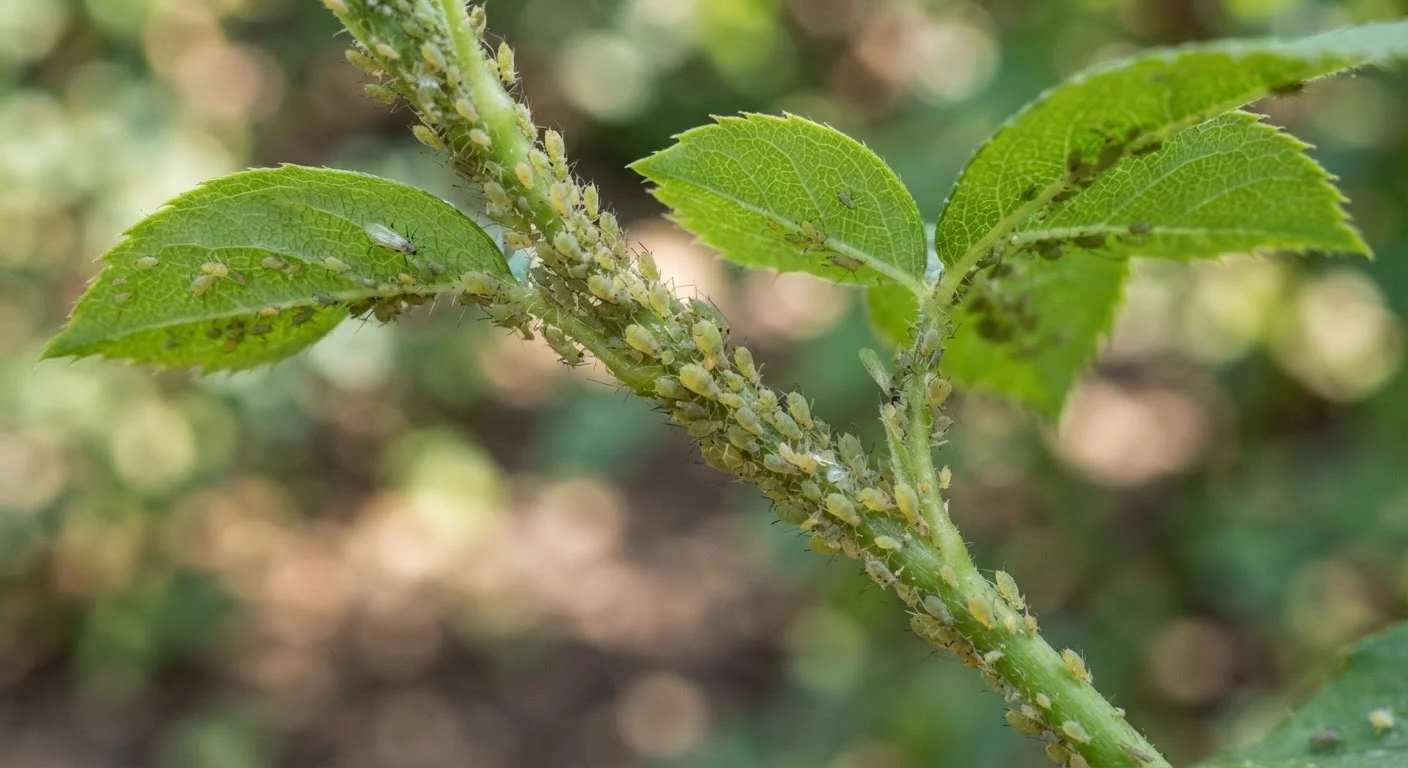
Tiny, soft-bodied insects - usually green, black, or white - that cluster on new growth and leaf undersides. They feed by sucking plant sap, causing curled leaves and a sticky residue called honeydew. Look for them with a close inspection of stem tips.
Slugs and Snails
These leave irregular holes in leaves and a shiny slime trail. They're most active at night and in wet conditions, so check under pots and around soil level after rain or watering.
Caterpillars
Butterfly and moth larvae can strip foliage quickly. Signs include large, ragged holes in leaves and dark droppings (frass) on the surface below. Check the undersides of leaves for eggs or young caterpillars before damage escalates.
Whiteflies
Small white-winged insects that fly up in a cloud when disturbed. Like aphids, they suck sap and excrete honeydew. Common on indoor plants and in greenhouses.
Spider Mites
Nearly invisible to the naked eye, spider mites cause a stippled, dusty appearance on leaves and fine webbing between stems. They thrive in hot, dry conditions and can multiply rapidly if left unchecked.
Why Pests Show Up: Root Causes to Understand
Pests aren't random - they're often drawn to specific conditions. Understanding why they appear helps you address the underlying cause rather than just the symptoms.
- Stressed or weakened plants: Plants under stress from drought, nutrient imbalance, or compacted soil are more vulnerable to pest attack. Healthy soil is your first defence - see our article on what kind of soil your garden actually needs for a strong foundation.
- Overwatering: Consistently wet soil and foliage attracts slugs, fungus gnats, and encourages root problems that weaken plants further.
- Lack of biodiversity: Gardens with a wide variety of plants attract a broader range of beneficial insects that naturally control pest populations. Monocultures (growing one type of plant in large numbers) present an easy target.
- Environmental conditions: Hot, dry spells favour spider mites; cool, damp weather favours slugs and some fungal pests. Seasonal context matters when diagnosing a problem.
Organic and Low-Impact Control Methods
Once you've identified a pest and have a sense of why it's present, these approaches give you a range of responses - from the simplest to the more involved.
Hand-Removal
For caterpillars, slugs, and snails, physical removal is highly effective. Check plants in the early morning or evening, pick off pests, and drop them into soapy water. It's low-tech, but works well at small scales.
Strong Water Spray
A sharp blast from a hose dislodges aphids and mites from stems and leaves. Repeat every few days. This won't eliminate a large infestation but can slow its progress significantly.
Neem Oil
Derived from the neem tree, neem oil disrupts the life cycle of many soft-bodied insects without being toxic to most beneficial insects when applied carefully at dusk. Always follow label instructions and test on a small leaf area first.
Encouraging Beneficial Insects
Ladybugs, lacewings, and parasitic wasps naturally prey on common pests like aphids. Planting flowering herbs - dill, fennel, yarrow - provides habitat and food sources that attract these allies.
Copper Tape and Barriers
Slugs and snails dislike crossing copper. Copper tape around raised beds or pot rims can reduce their access. Raised beds and containers also naturally reduce some ground-level pest exposure - worth considering as part of your overall setup, as explored in our guide to raised beds, containers, and ground planting.
Building a Garden That Resists Pest Pressure
The most durable form of pest management is a garden designed for plant health. When plants are well-fed, appropriately watered, and grown in good soil, they're naturally more resistant to the worst infestations.
A few principles worth building into your practice from the start:
- Rotate crops each season if you're growing vegetables - this prevents soil-dwelling pests from building up around their preferred host plants.
- Remove plant debris promptly - decaying leaves and spent plants are ideal hiding spots and overwintering sites for pests and disease.
- Inspect plants regularly - catching a small aphid colony early is far easier than managing a large one. Make a habit of checking leaf undersides once a week.
- Avoid over-fertilising with nitrogen - lush, soft growth from excess nitrogen is particularly attractive to sap-sucking insects like aphids.
Before your next planting season, it's worth working through our garden readiness checklist to make sure conditions are set up to support plant resilience from day one. A little preparation goes a long way toward keeping pest pressure manageable throughout the growing season.