

Key Takeaways
Deferred Maintenance
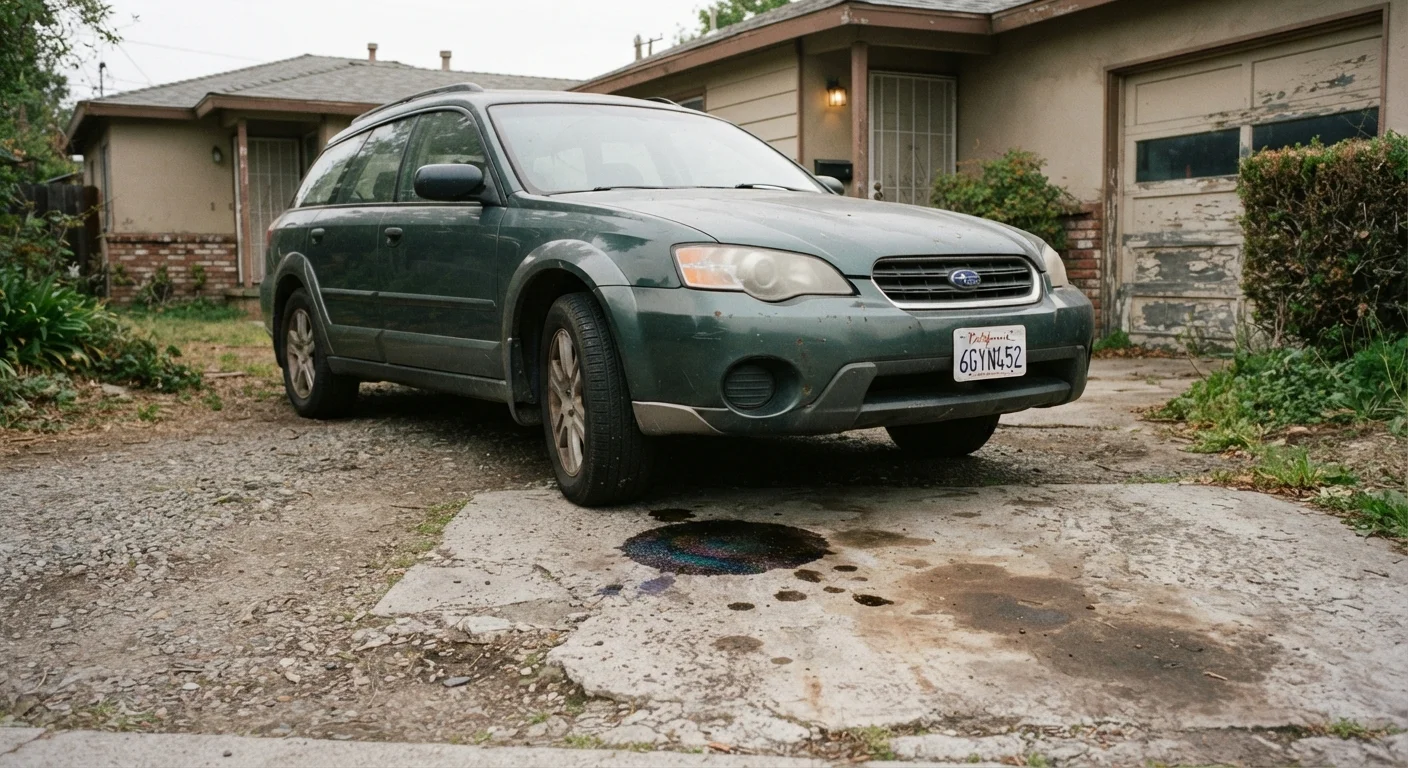
Deferred maintenance means knowingly postponing a repair or service task that is already due. In a car, this can mean delaying an oil change, ignoring a dashboard warning light, or putting off replacing a worn component. While it may feel like saving money in the short term, deferred maintenance typically allows one problem to cause or worsen others.
Mechanics often refer to this as a "failure chain" - where one degraded component places excess load on adjacent systems, accelerating their wear rate.
How One Small Problem Becomes Several Expensive Ones
Cars are interconnected systems. When one component degrades, it rarely fails in isolation - it shifts load, friction, or stress onto neighboring parts. This is why a $30 repair ignored for a few months can reappear as a $600 bill. The underlying problem hasn't stayed the same; it's migrated and multiplied.
Consider brake pads. A worn pad is cheap to replace. But a pad worn down to bare metal grinds against the rotor - the metal disc it presses against to stop the car. Rotors are significantly more expensive to replace than pads, and if the caliper (the clamp mechanism that holds the pad) overheats from the friction, that's a third component now requiring attention. What started as one part needing replacement has become three.
The same pattern plays out across the engine, cooling system, and drivetrain. A coolant hose that's soft and weeping is a minor fix. A blown hose that empties coolant onto the road and causes the engine to overheat can lead to a warped cylinder head - a repair that can cost several thousand dollars. The hose didn't cost the money; the delay did.
Build a Simple Repair Priority List
After any inspection, ask your mechanic to categorize each finding as safety-critical, time-sensitive, or monitor-and-plan. This gives you a clear action order and helps you budget for upcoming work without feeling blindsided. Keeping a running list in your glove box or phone makes it easier to track what's been addressed and what's still pending.
Warning Signs Drivers Commonly Dismiss
Most car problems don't appear without warning. They announce themselves first through sounds, sensations, or dashboard indicators that are easy to rationalize away. Recognizing these early signals is the key to catching issues before they escalate.
- Squealing brakes: That high-pitched squeal when braking is typically a wear indicator - a small metal tab designed to make noise when pads are getting thin. It's a feature, not a coincidence.
- Vibration in the steering wheel: Often a sign of tire imbalance or alignment issues. Left alone, it accelerates wear on tires and suspension components.
- Slow oil consumption: If you're topping off oil between changes, there's a leak or internal consumption issue that needs investigation - not just more oil.
- Hesitation on acceleration: Can signal spark plug wear, fuel delivery issues, or transmission concerns depending on how it presents.
Each of these signals is manageable when caught early. The financial gap between early and late intervention is almost always substantial. For a plain-language breakdown of what repair estimates actually include, see our guide to reading a mechanic's quote.
3x
Average cost increase when brake pads reach rotor damage
Industry repair data consistently shows that pad-and-rotor replacement costs roughly three times a pad-only service when wear is allowed to progress to metal-on-metal contact.
$500-$2,000+
Typical range for head gasket repair
A blown head gasket - often the result of an overheated engine - is one of the more costly outcomes of ignoring a coolant leak, according to general automotive repair pricing data.
~20%
Fuel efficiency loss from a clogged air filter
The U.S. Department of Energy has noted that a dirty air filter can reduce fuel economy noticeably on older carbureted vehicles, and overall engine performance on modern fuel-injected engines.
The Real Cost of Waiting
Drivers who delay repairs often do so for understandable reasons - they're managing tight budgets, uncertain the repair is urgent, or simply hoping the symptom will resolve itself. Rarely does it. Vehicle systems don't self-correct; they continue to degrade under normal operating stress.
There's also a less obvious cost: breakdowns. A car that fails on the road creates costs well beyond the repair itself - towing, rental vehicles, lost time, and potential safety risk. A vehicle in poor mechanical condition is also more likely to fail during a trip. Our article on why road trips fall apart before they begin covers exactly how deferred maintenance figures into common travel disasters.
Framing maintenance as a budget line rather than a surprise expense is a meaningful shift. When you understand that a car without regular upkeep is accumulating deferred costs invisibly, it becomes easier to prioritize smaller, scheduled repairs - and harder to justify ongoing delay. For more on how small financial decisions compound over time, the saving money hub offers a useful parallel perspective.
A consistent inspection routine - ideally aligned with your owner's manual service intervals - is the most reliable tool available. The complete car maintenance roadmap can help you build that schedule from the ground up, so you're never caught off guard by a repair that could have been a routine service item.