

Key Takeaways
The Planning Stage Is Where Most Road Trips Go Wrong
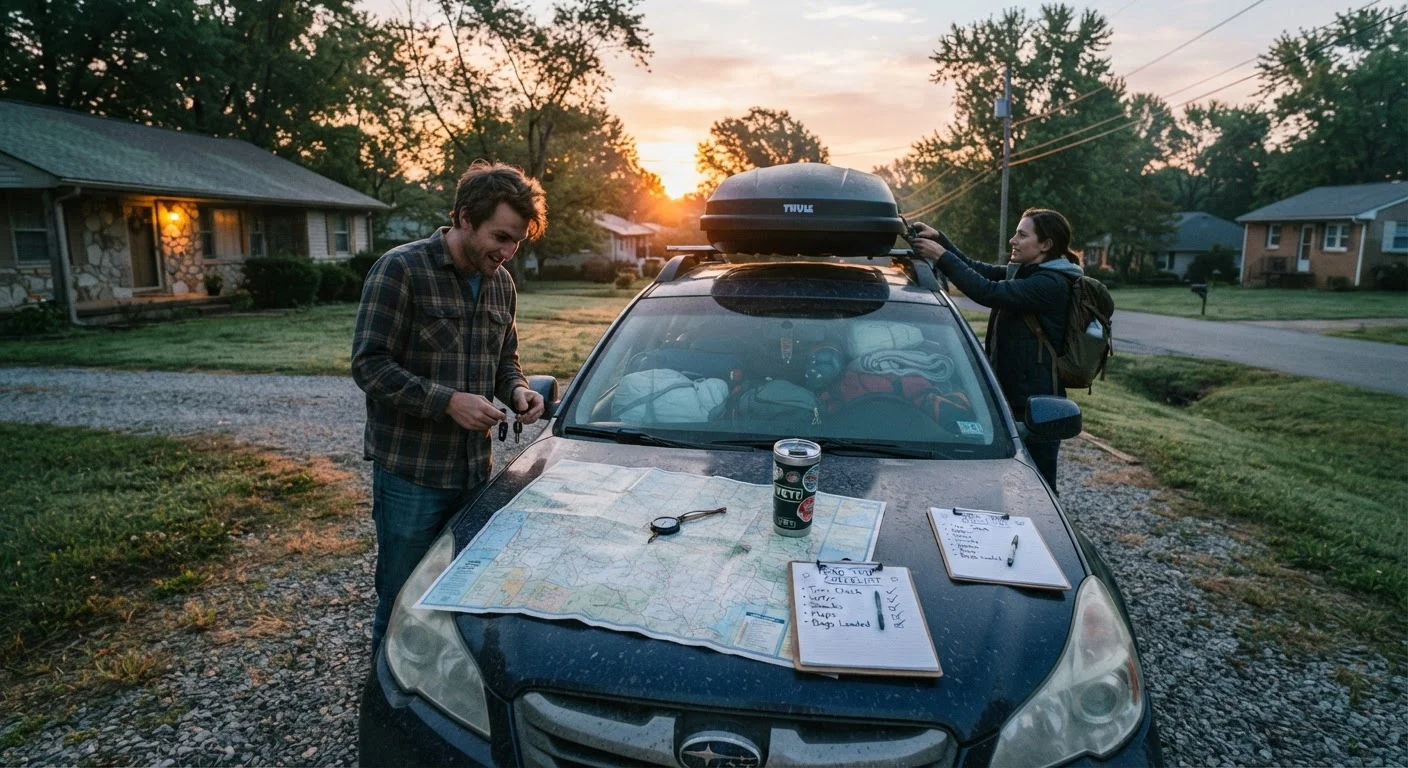
A road trip that feels like freedom on the open road usually rests on an unglamorous foundation: careful preparation done days or weeks before you ever leave the driveway. Most trips that fall apart - abrupt U-turns, blown budgets, mechanical emergencies, exhausted passengers - trace their root cause to something skipped or miscalculated during planning.
The good news is that road trip planning mistakes are highly predictable. They happen for consistent reasons, and they're avoidable once you know what to look for. Whether you're driving two states over or crossing half the country, the same categories of error tend to appear. This article walks through the most common ones, explains why each happens, and gives you specific steps to prevent them.
If you're starting completely from scratch, our complete first-timer's road trip guide covers the full planning sequence from route selection to arrival.
Don't Skip the Pre-Trip Vehicle Check
A mechanical failure on a remote highway is far more disruptive - and expensive - than an hour spent at a mechanic before you leave. At minimum, have your tire pressure, oil level, brake condition, and coolant checked before any long drive. If your vehicle is due for scheduled maintenance, complete it first. When in doubt, consult a qualified mechanic rather than guessing.
Six Mistakes That Derail Road Trips Before Departure
The mistakes below aren't obscure edge cases. They're the errors that show up repeatedly among first-time and occasional road trippers. Review each one honestly against your own planning habits.
Skipping a vehicle inspection before departure.
Why it happens: Drivers assume their car is fine because it drives normally day-to-day, not realizing that highway conditions - sustained high speeds, heavy loads, varied temperatures - stress a vehicle far more than a city commute.
Building a schedule with no buffer time between stops.
Why it happens: Planners tend to be optimistic about drive times, using GPS estimates without accounting for traffic, fuel stops, meals, or simple fatigue. Every hour feels manageable on a map.
Underestimating the total cost of the trip.
Why it happens: Most people budget for fuel and lodging but forget tolls, parking fees, dining out multiple times daily, national park entrance fees, and the inevitable incidental purchase.
Ignoring seasonal weather conditions along the planned route.
Why it happens: Drivers research their destination's weather but overlook mountain passes, desert heat, or coastal fog systems that may affect the route itself - not just the endpoint.
Overpacking the car in ways that reduce comfort and visibility.
Why it happens: Without a system for packing, travelers default to throwing in everything 'just in case,' resulting in blocked rear windows, inaccessible essentials, and a cramped driving environment.
Failing to share the route and check-in plan with someone at home.
Why it happens: Solo and group travelers alike often treat this as unnecessary formality, assuming their phone is sufficient backup if something goes wrong in a remote area.
Once you've accounted for these common pitfalls, the remaining planning decisions - choosing scenic routes, sequencing stops, deciding whether to travel solo or with others - become far more manageable. For destination inspiration, it's worth exploring underrated US cities worth planning a trip around once the fundamentals are locked in.
Turn Preparation Into Confidence
Road trip preparation isn't about removing all spontaneity - it's about giving yourself enough structure that the unexpected doesn't become a crisis. A vehicle you've had inspected, a schedule with breathing room, and a budget that reflects actual costs are what transform a stressful drive into a genuine adventure.
Treat your pre-departure checklist as seriously as you treat your packing list. Both matter. If you've found budgeting to be a persistent weak spot in your travel planning, understanding why travel budgets fall apart is a useful companion read before you finalize your numbers.
The miles ahead are easier when the preparation behind you is solid.