

Key Takeaways
Why Renovation Myths Are So Persistent
Home improvement advice spreads fast - through neighbors, TV renovation shows, and online forums - and much of it is genuinely useful. But a surprising amount is either outdated, oversimplified, or just plain wrong. For beginners especially, acting on bad information can mean redoing work, spending more money than necessary, or creating problems that didn't exist before.
This article addresses the most common misconceptions tradespeople and experienced renovators encounter regularly. For a broader foundation before you pick up any tools, see our complete beginner's guide to home improvement.
Myth
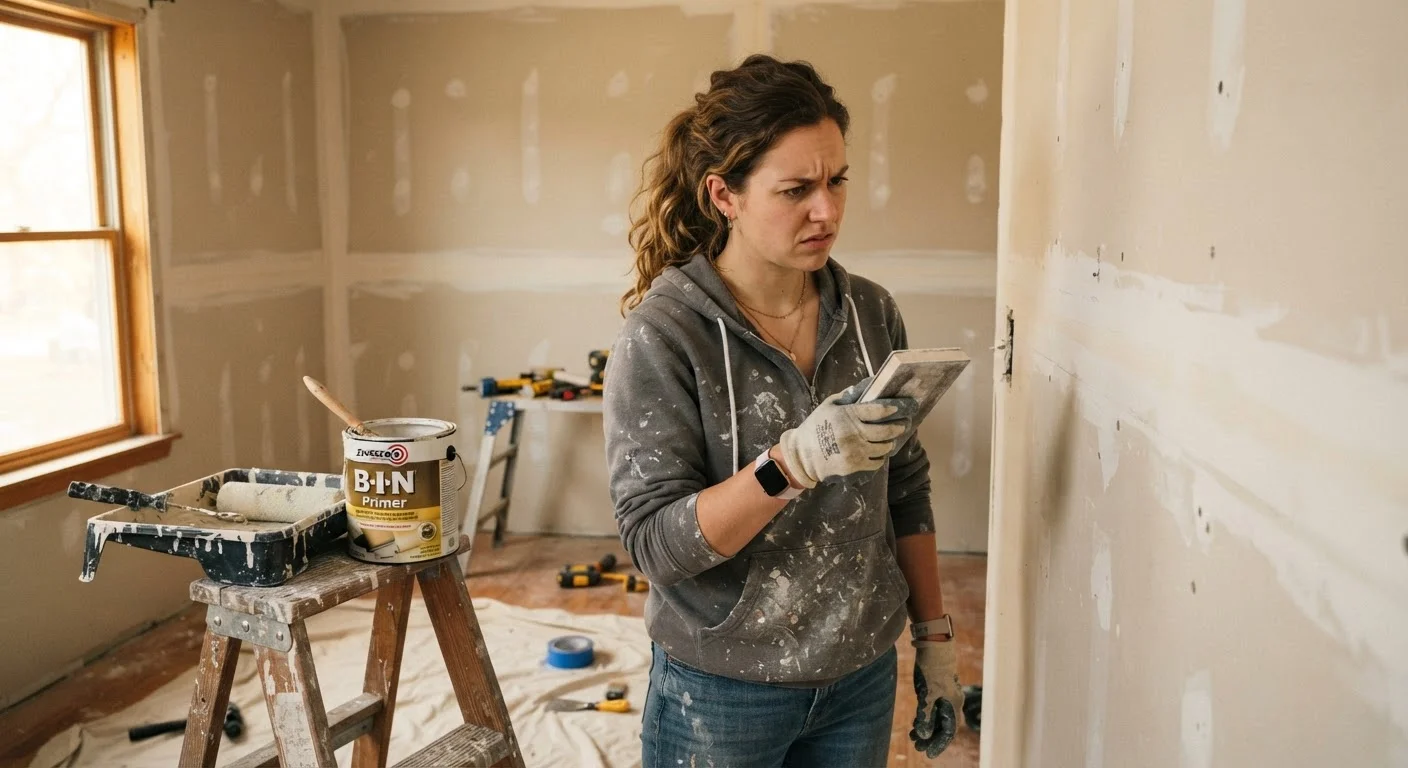
You don't need primer on new drywall - just apply paint directly and save a step.
Fact
New drywall is extremely porous and will absorb paint unevenly, leaving a blotchy, flat finish called 'flashing.' Primer seals the surface and is essential.
Drywall paper and joint compound absorb paint at very different rates. Without primer, you'll often need four or more coats of paint to achieve even coverage - far more effort than priming first. A drywall-specific PVA primer is inexpensive and dramatically improves the final result. This is one of the simplest steps professionals never skip.
Myth
Every home improvement project adds value, so renovations are always a good investment.
Fact
Many renovations do not recoup their full cost at resale. Return on investment varies widely by project type, local market conditions, and execution quality.
Industry data consistently shows that some projects - like upscale kitchen remodels or in-ground pools - often return less than 70 cents on the dollar at resale. Projects with stronger returns tend to be functional, broadly appealing improvements like entry door replacements or attic insulation. Renovating primarily to enjoy your home is a perfectly valid reason; just don't assume the market will reimburse you dollar-for-dollar.
Myth
Permits are bureaucratic red tape - small projects don't really need them.
Fact
Permits exist to ensure work meets safety codes. Unpermitted work can create liability, void insurance claims, and cause major problems when you sell.
Many homeowners skip permits to save time or money, not realizing the downstream consequences. Unpermitted structural, electrical, or plumbing work may need to be torn out and redone by a licensed professional before a sale can close. In some cases it can affect your homeowner's insurance coverage if something goes wrong. Local requirements vary, so always verify what applies in your jurisdiction before starting.
Myth
DIY electrical work is fine - it's just wires, and YouTube videos make it look easy.
Fact
Electrical work is among the most regulated trades in the US. Many tasks require permits, inspections, and in some jurisdictions must be performed by a licensed electrician.
Simple tasks like replacing a light switch or outlet faceplate are generally considered low-risk, but anything involving your panel, new circuits, or wiring inside walls is a different matter. Incorrect electrical work is a leading cause of house fires. Beyond safety, unpermitted electrical changes can create issues with insurance and resale. When uncertain, consulting a licensed electrician is the right call.
Myth
Caulk can fix any water leak - just seal around it and you're done.
Fact
Caulk is a finish sealant, not a waterproofing solution. Applying caulk over an active leak or structural gap typically delays - and worsens - the underlying problem.
When water is entering through a crack in siding, a flashing failure, or a foundation gap, caulk may temporarily conceal the entry point while moisture continues to accumulate behind surfaces. This can lead to mold, rot, and structural damage. The source of infiltration must be identified and corrected first; caulk then serves as a cosmetic and weatherproofing finish, not a primary fix.
Myth
Painting over wallpaper saves time and works just as well as removing it.
Fact
Paint applied over wallpaper frequently peels, bubbles, and shows seams - and the wallpaper itself becomes far harder to remove later.
Wallpaper seams and texture telegraph through paint layers, and the adhesive can react with water-based paint to cause bubbling or delamination. While removing wallpaper is labor-intensive, doing so before painting produces a stable, professional surface. Painting over it may look acceptable briefly but tends to deteriorate and creates a much more difficult removal job in the future.
The Bigger Picture: Permits, Value, and Knowing Your Limits
Several of the most consequential DIY myths aren't about technique - they're about decision-making. Homeowners often underestimate the legal and financial stakes of renovation work, particularly around permits and resale value.
If you've ever wondered exactly which projects require official sign-off, our article on what permits you actually need breaks it down clearly. Similarly, the assumption that every upgrade pays for itself at sale is one of the most expensive myths in real estate - our guide to hidden renovation costs explains what routinely catches first-time renovators off guard.
For anything involving wiring, the stakes are even higher. Our dedicated article on DIY electrical work explains clearly which tasks are typically safe to handle yourself and which require a licensed electrician under most building codes.
Don't Skip Permits to Save Time or Money
Unpermitted work on structural, electrical, or plumbing systems can void homeowner's insurance coverage for related incidents and create costly complications when you sell your home. Some lenders will require unpermitted work to be disclosed or corrected before closing. Always verify what your local jurisdiction requires - check our permits guide for a practical starting point.
When in doubt about scope or complexity, use this homeowner checklist before hiring anyone, and make sure you're working with the right tools for the job.