

| USDA Zones | 1-13 (1 = coldest, 13 = warmest) (USDA Plant Hardiness Zone Map) |
| Full Sun threshold | 6+ hours of direct sun per day |
| Part Shade range | 3-6 hours of direct sun per day |
| Spacing refers to | Distance at mature size, not at planting |
| Annual vs. Perennial | Annual = one season; Perennial = returns yearly |
| Toxicity symbols | May appear as icons for humans, dogs, or cats |
Why Plant Labels Deserve More Attention
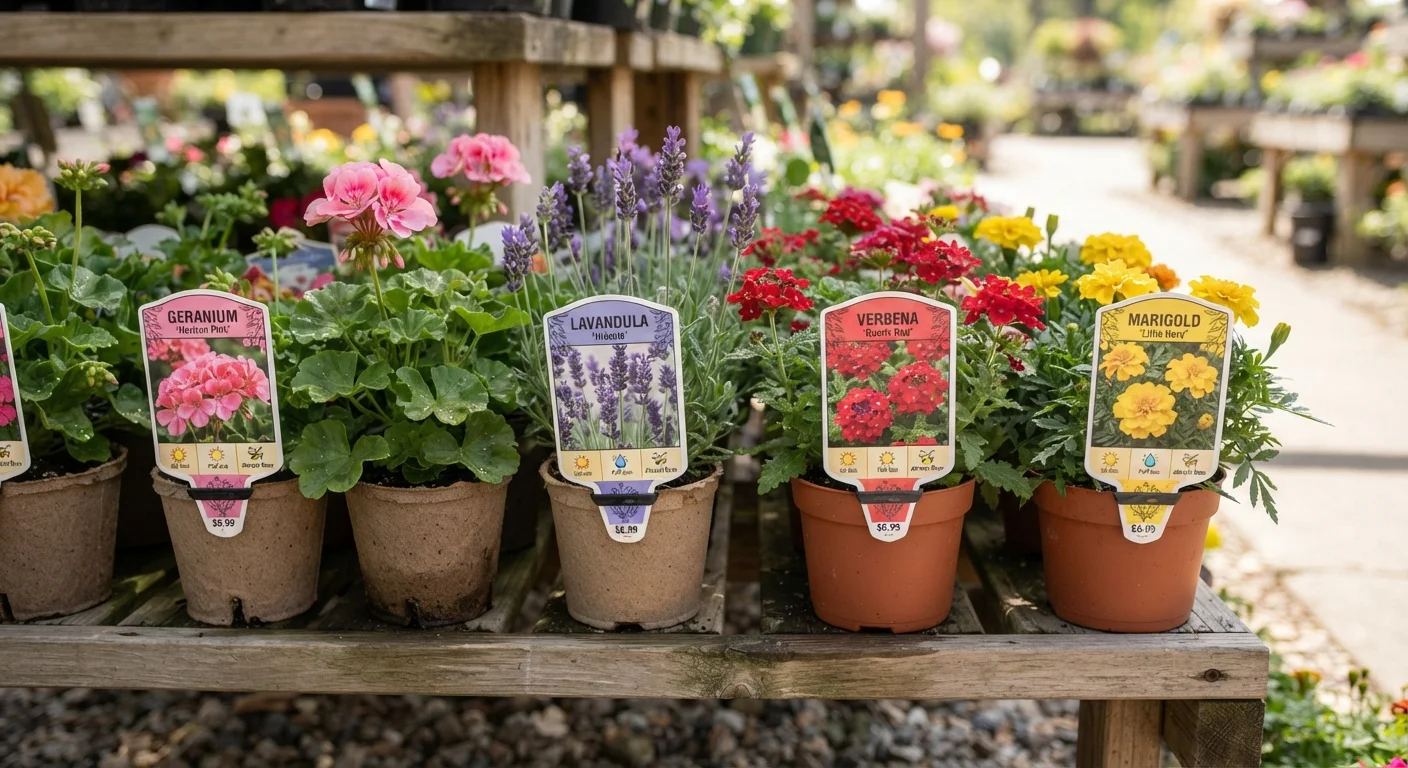
Most first-time gardeners glance at the picture on a plant tag and tuck it away - or toss it entirely. That's a missed opportunity. Those small plastic stakes are packed with precise, standardized information that can mean the difference between a thriving plant and a struggling one.
Think of the tag as an instruction manual written specifically for that plant. Once you know how to read it, you're not guessing anymore. Before you buy or plant anything, checking the label should be your first step - much like working through a garden readiness checklist before you even break ground.
USDA Hardiness Zone
A standardized geographic designation based on average annual minimum winter temperatures, used to determine which plants can survive year-round in a given location. Zones range from 1 (coldest) to 13 (warmest) across the US.
Annual
A plant that completes its entire life cycle - germination, flowering, and seed production - within a single growing season, then dies. It must be replanted each year.
Perennial
A plant that lives for more than two years, dying back in winter (in many climates) and regrowing from its root system each spring.
Spread
The expected horizontal width of a plant at full maturity. Knowing spread helps you space plants correctly and avoid overcrowding.
Full Sun
A growing condition requiring at least six hours of direct sunlight per day. Plants labeled full sun will underperform or fail in shadier locations.
Biennial
A plant with a two-year life cycle: it typically grows foliage in the first year and flowers or sets seed in the second, then dies.
Decoding the Numbers: Hardiness Zones and Spacing
Two numbers beginners find most confusing are the USDA Hardiness Zone and the plant spacing measurement.
USDA Hardiness Zone
This number (for example, Zones 5-9) tells you the range of winter temperatures a plant can survive. The USDA Plant Hardiness Zone Map divides the US into 13 zones based on average annual minimum winter temperatures. If your location falls within the listed zone range, the plant can reasonably survive your winters outdoors. You can look up your zip code's zone on the USDA website.
Spacing
Labels list spacing in inches or feet - for example, 12-18 in. apart. This is the recommended distance between plants at maturity, not at planting. Planting too close together limits airflow, invites disease, and causes competition for nutrients. Resist the urge to crowd seedlings; they will fill in.
Height and Spread
These figures (e.g., H: 24 in. / S: 18 in.) describe the plant's expected mature size. Height tells you vertical growth; spread tells you how wide it will grow. Both affect where you position the plant relative to borders, pathways, and neighboring plants.
| USDA Zones | 1-13 (1 = coldest, 13 = warmest) (USDA Plant Hardiness Zone Map) |
| Full Sun threshold | 6+ hours of direct sun per day |
| Part Shade range | 3-6 hours of direct sun per day |
| Spacing refers to | Distance at mature size, not at planting |
| Annual vs. Perennial | Annual = one season; Perennial = returns yearly |
| Toxicity symbols | May appear as icons for humans, dogs, or cats |
Understanding Sun and Water Icons
Standardized icons communicate light and moisture needs at a glance. Here's what each means in practice:
Sun Icons
- Full Sun (solid sun): 6 or more hours of direct sunlight per day.
- Part Sun / Part Shade (half sun): 3-6 hours of direct sunlight. Some labels distinguish between part sun (benefits from more light) and part shade (benefits from more protection).
- Full Shade (shaded circle): fewer than 3 hours of direct sunlight; thrives in indirect or dappled light.
Water Droplet Icons
- High water need (three full droplets): keep soil consistently moist.
- Moderate water need (one or two droplets): water when the top inch of soil is dry.
- Low water need / drought-tolerant (empty or crossed-out droplet): allow soil to dry between waterings.
Matching the plant's light and water requirements to your actual garden conditions is the single most effective thing you can do to improve plant survival rates.
Other Common Label Details Worth Noting
Beyond zones and icons, plant tags often include several other useful details that beginners routinely overlook:
Annual, Perennial, or Biennial
This tells you the plant's life cycle. Annuals complete their life in one growing season and must be replanted. Perennials return year after year (within their hardiness zone). Biennials take two years to complete their cycle - flowering in the second year.
Bloom Time
Listed as a season or month range (e.g., June-August), bloom time helps you plan for continuous color throughout the growing season by selecting plants with staggered flowering periods.
Soil Type
Some labels specify preferred soil - well-draining, moist, sandy, or loamy. Pairing this with your existing soil conditions (or amending your soil accordingly) sets the plant up for success from day one.
Toxicity Warnings
Look for small symbols or text noting if a plant is toxic to humans, dogs, or cats. This information matters especially if you have children or pets who spend time outdoors.
Just as dashboard icons tell you something important about your vehicle's condition - as explored in guides like decoding warning lights - plant label symbols communicate critical care signals. Learning their language is a foundational gardening skill worth building early.