

Key Takeaways
Option A
Mindfulness
The always-available awareness practice.
Best for: Anyone who wants to bring more present-moment attention to everyday life, including stressful moments at work or home.
Option B
Meditation
The dedicated, structured mental training session.
Best for: People ready to set aside intentional time each day to build focus, calm, and self-awareness through a specific technique.
If you want something you can practice anywhere, anytime
Mindfulness
Mindfulness requires no special setting or equipment. A mindful breath while waiting in line counts as genuine practice.
If you want to build a structured daily mental health habit
Meditation
A consistent meditation session - even five to ten minutes - gives you a reliable anchor for training attention and calm over time.
If you feel overwhelmed and want immediate, low-barrier relief
Mindfulness
A brief moment of intentional awareness - noticing your breath or surroundings - can interrupt the stress response without any preparation.
If you want to deepen your ability to stay present over the long term
Meditation
Regular meditation practice has been shown to strengthen the mental habits that make everyday mindfulness easier to access.
If you are completely new and unsure where to begin
Mindfulness
Starting with simple mindful moments in daily life - eating, walking, listening - builds familiarity before committing to a formal practice.
What Each Term Actually Means
These two words appear together so often that many people assume they mean the same thing. They don't - though they are closely related.
Mindfulness is a mental quality: the ability to pay deliberate, non-judgmental attention to what is happening right now - your thoughts, sensations, and surroundings - without getting swept away by them. It is something you can bring to any activity, whether you're washing dishes, having a difficult conversation, or sitting in traffic.
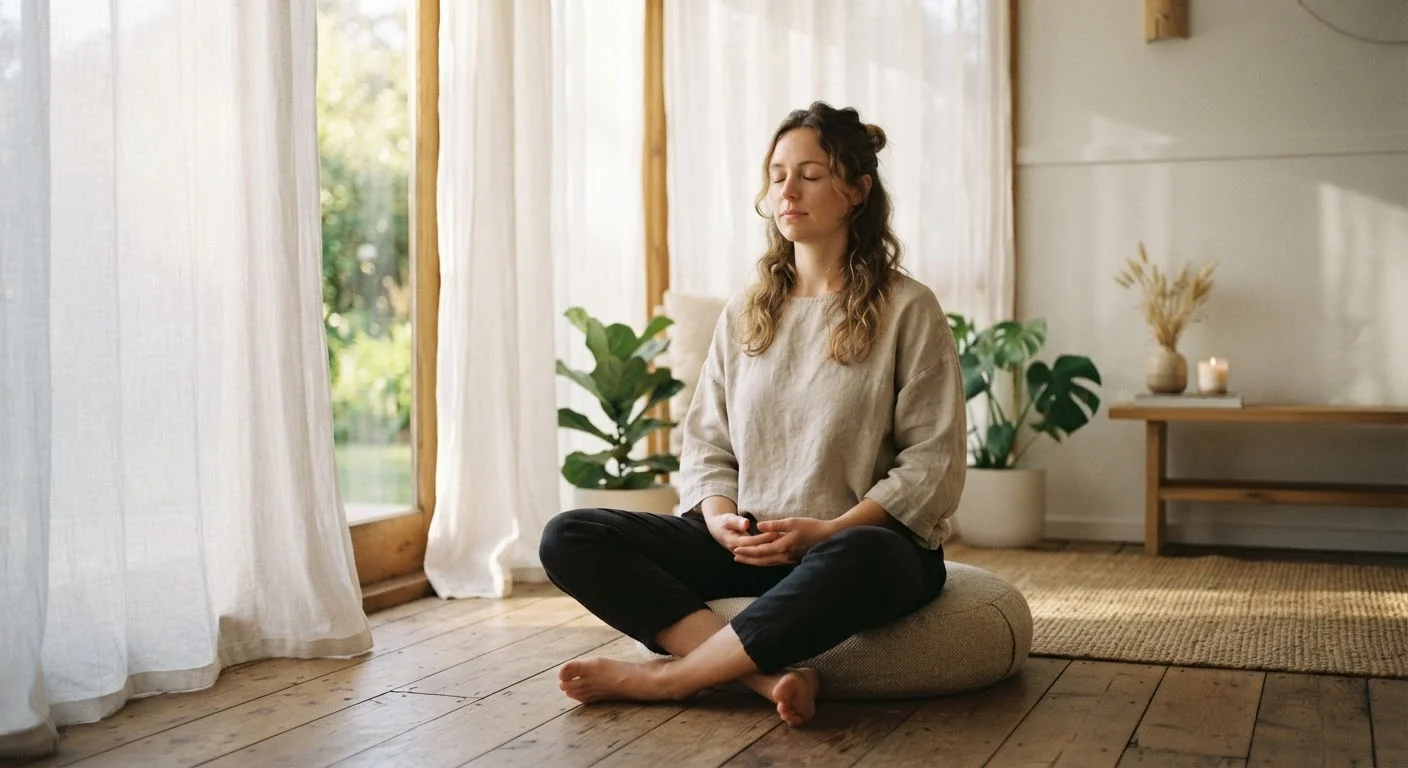
Meditation is a practice: a set of exercises you do deliberately, typically for a defined period, to train the mind. There are many types - breath-focused, body-scan, loving-kindness, visualization - but most share the goal of sharpening attention and building greater self-awareness. For a plain-language breakdown of related terms, see the Mental Well-Being Glossary.
Think of it this way: mindfulness is the destination; meditation is one of the most reliable roads to get there.
| Criterion | Mindfulness | Meditation |
|---|---|---|
| What it is | A quality of present-moment awareness | A formal, structured mental exercise |
| When you do it | Anytime, during any activity | During a dedicated, set-aside session |
| Time required | None - a breath counts | Typically 5-30 minutes per session |
| Equipment needed | None | None (optional: cushion, timer, app) |
| Primary goal | Present-moment attention and non-judgment | Training focus, calm, and self-awareness |
| Learning curve | Immediate to start, ongoing to deepen | Gentle - basic techniques are beginner-friendly |
| Evidence base | Strong - linked to stress and mood benefits | Strong - studied in clinical and workplace settings |
How They Work Together
Meditation is widely considered one of the most effective ways to cultivate mindfulness. When you sit down for a breath-awareness meditation, you are repeatedly noticing when your mind has wandered and gently returning your attention - that mental repetition is what builds the mindfulness muscle over time.
But the benefits don't stay locked inside the meditation session. With consistent practice, many people find it easier to pause before reacting to stress, notice unhelpful thought patterns sooner, and return to the present moment more naturally throughout the day. This is why researchers studying programs like Mindfulness-Based Stress Reduction (MBSR) - a structured eight-week program developed at the University of Massachusetts - typically include both formal meditation sessions and guidance on informal, moment-to-moment mindful awareness.
For a broader look at habits that support mental well-being, the Daily Mental Well-Being Practices article offers a helpful overview of what the evidence generally supports.
A Practical Guide to Getting Started
You don't need to commit to both at once. Here's a simple way to approach each:
- Trying mindfulness informally: Pick one routine activity - morning coffee, a short walk, or brushing your teeth - and commit to doing it with full attention for a week. Notice textures, sounds, and sensations without narrating or judging. That's mindfulness practice.
- Trying meditation formally: Set a timer for five minutes. Sit comfortably, close your eyes, and focus on the natural rhythm of your breath. When your mind wanders (it will - this is normal and expected), gently redirect attention back. Repeat daily before extending the duration.
Neither practice needs to be perfect. In fact, noticing that your mind has wandered - and choosing to return - is the core skill both approaches are training. Consistency matters far more than duration or technique. Exploring your personal values can also clarify why practices like these feel meaningful: see Building a Clearer Picture of Your Own Values for a practical starting point.
If you find stress and anxiety are driving your interest in these practices, it may also be worth understanding how those experiences differ - the difference between stress and anxiety shapes which approach may feel most useful.
This article is for general informational purposes only and is not a substitute for professional medical or mental health advice. If you are experiencing significant distress or a mental health condition, please consult a qualified healthcare professional.