

Travel & Exploration

The Pre-Departure Checklist Every Traveller Should Run Through

Share
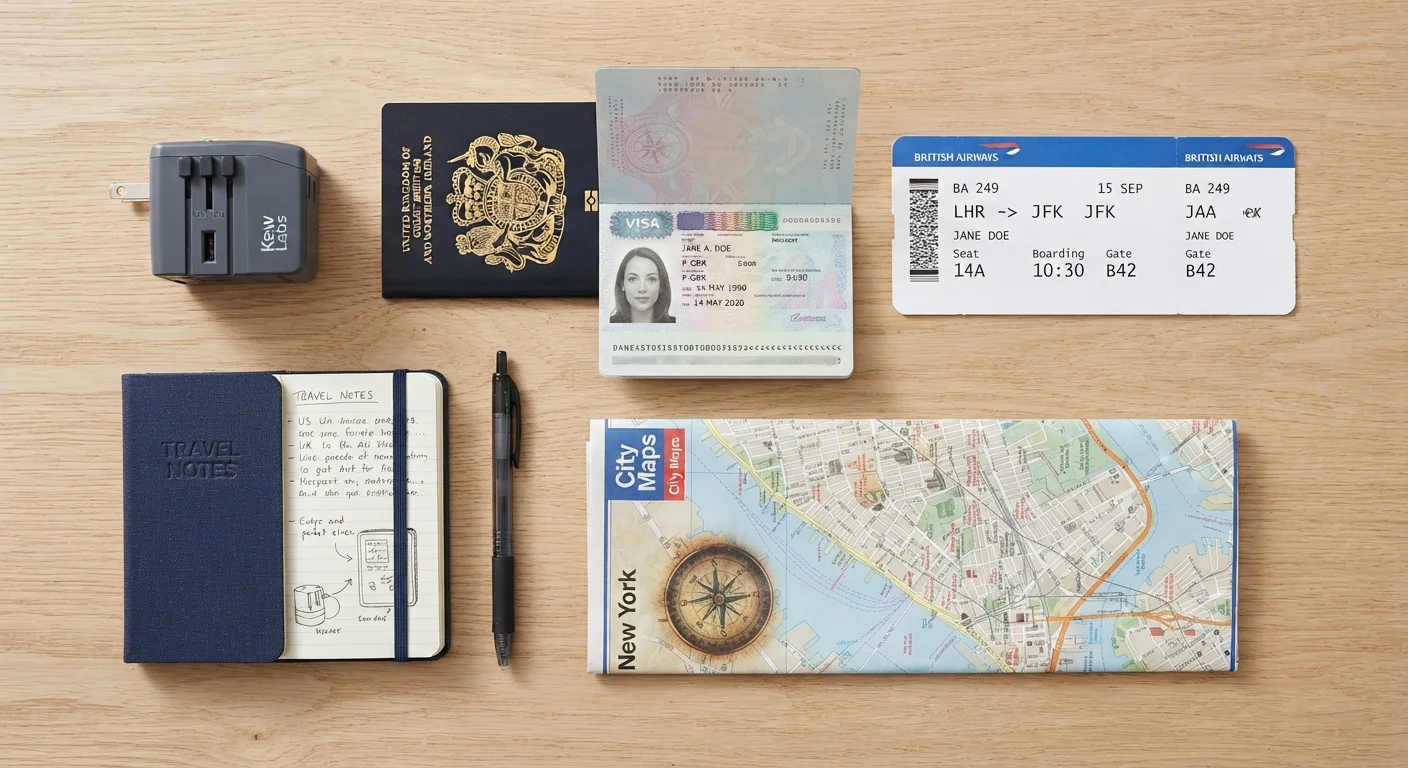
Overhead flat-lay of travel essentials including passport, boarding pass, and travel adapter on a wooden surface

Key Takeaways

Checking your passport expiry date at least six months before travel can prevent costly denied boarding.
Storing digital and paper copies of key documents protects you if originals are lost or stolen.
Notifying your bank and setting up travel alerts prevents unexpected card freezes abroad.
Health prep — including vaccinations and prescription supplies — should begin weeks before departure.
Simple home security steps before you leave can prevent stressful surprises while you're away.
30–60 min

Summary

22 items · 30–60 minutes

Why a Pre-Departure Checklist Changes Everything

Even seasoned travelers have stood at a check-in counter realizing their passport expired last month. For first-time and casual travelers, the pre-departure window — those final days before a trip — can feel like a blur of packing anxiety and last-minute searches. A structured checklist removes the guesswork and gives you a concrete plan to follow instead of relying on memory.

This checklist covers four critical zones: documents and entry requirements, money and connectivity, health and safety, and home security before you go. Whether you're flying internationally or taking a long domestic trip, running through these items systematically means fewer unpleasant surprises — and a calmer departure day.

For a deeper dive into international entry rules, visas, and travel advisories, see the international pre-departure research checklist before finalizing any overseas plans.

Documents and Entry Requirements

Check your passport expiry date and confirm it is valid for at least six months beyond your return date, as many countries enforce this rule at the border. Must
Verify visa requirements for your destination using your government's official travel portal, and apply well in advance of your departure date. Must
Make physical photocopies of your passport, visa, travel insurance policy, and any booking confirmations, and store them separately from the originals. Must
Save digital scans of your key documents in a secure cloud folder or email them to yourself so they're accessible if your bag is lost. Should
Check current travel advisories for your destination through official government channels and note any entry health requirements. Must

Money and Connectivity

Notify your bank and credit card provider of your travel dates and destinations to prevent your cards from being flagged and frozen for suspicious activity. Must
Carry a small amount of local currency in cash before you arrive, as airport ATMs aren't always accessible immediately on landing. Should
Research your phone carrier's international roaming rates and decide whether a local SIM card or international plan makes more sense for your trip length. Should
Download offline maps of your destination so you can navigate without relying on cellular data. Nice to have
Confirm you have a universal power adapter appropriate for the electrical outlets at your destination. Must

Health and Safety Prep

Schedule a pre-travel health consultation with your doctor or a travel medicine clinic at least four to six weeks before departure to discuss vaccinations and any destination-specific health risks. Must
Pack a sufficient supply of any prescription medications for the full trip duration, plus a few extra days' buffer in case of delays. Must
Carry a copy of your prescriptions with the generic drug names, as brand names may differ in other countries. Should
Review your travel insurance policy to confirm it covers emergency medical care, trip cancellation, and lost baggage — and save the emergency contact number. Must
Pack a basic first-aid kit including adhesive bandages, antiseptic wipes, pain reliever, and any personal medical items your doctor recommends. Should

Home Security Before You Leave

Pause or hold mail and parcel deliveries so they don't accumulate and signal that no one is home. Should
Ask a trusted neighbor, friend, or house sitter to check in on your property and collect any unexpected deliveries. Should
Unplug non-essential electronics and appliances to reduce fire risk and lower your electricity use while away. Nice to have
Set smart plugs or timers on interior lights to create an occupied appearance if you'll be away for an extended period. Nice to have
Lock all windows and exterior doors and confirm your home alarm system — if you have one — is armed and functioning. Must
Share your detailed itinerary and accommodation contacts with a trusted person at home so someone always knows how to reach you in an emergency. Must
Arrange care for any pets or plants well in advance, with written instructions for whoever is helping out. Must

Tools and Resources to Have on Hand

You don't need fancy software to work through this checklist — but a few basic tools will make the process smoother and more reliable.

Required

Government Travel Portal

Use your government's official travel advisory site to verify visa requirements, entry restrictions, and safety conditions for your destination.

Required

Cloud Storage Service

Store scanned copies of your passport, insurance documents, and booking confirmations so they're accessible from any device if originals are lost.

Optional

Offline Maps App

Download destination maps in advance so you can navigate without relying on roaming data or Wi-Fi availability.

Required

Universal Power Adapter

Ensures your devices can charge at your destination regardless of local outlet type or voltage standard.

Required

Travel Medicine Clinic

Provides destination-specific vaccination advice and health guidance from professionals trained in travel medicine.

One often-overlooked decision is whether to keep your travel documents digital, on paper, or both. Each approach has real trade-offs depending on your destination and tech reliability. The guide on offline vs. online travel documents walks through exactly when each method can let you down.

Health Prep and Special Considerations

Health preparation is where many casual travelers underestimate the lead time required. Some destination-specific vaccinations need to be administered four to six weeks before travel to be effective — not the day before your flight. Start this process early.

The travel vaccinations and health prep overview is a solid starting point for understanding what questions to bring to your doctor before an international trip.

Vaccination Timing Can't Be Rushed

Several travel vaccines — including those for typhoid, hepatitis A, and yellow fever — require a course of doses or a set period to become effective. Booking your travel health appointment the week before departure may mean you miss the protection window entirely. Aim to see a travel medicine professional or your primary care doctor at least four to six weeks before you fly. Always confirm any vaccination requirements for your destination with official health and government sources, as requirements can change.

If you manage an ongoing health condition, trip planning involves additional considerations beyond standard vaccination checks. The article on travelling with health conditions outlines useful planning factors — though your doctor should always be your first resource for any personal medical questions.

This article provides general travel information only and is not a substitute for professional medical, legal, or financial advice. Always verify entry requirements, vaccination needs, and safety advisories with official government and healthcare sources before you travel.

Travel & Exploration Editorial Team is the collective byline for our editorial team and contributor network. Articles published under this byline or an editorial pen name are researched, written, and reviewed according to our editorial standards for clarity, consistency, and independence before publication.

View all articles by Travel & Exploration Editorial Team →
Disclaimer: The content on this site is for informational purposes only and is not a substitute for professional advice. Always consult a qualified professional for guidance specific to your situation.