

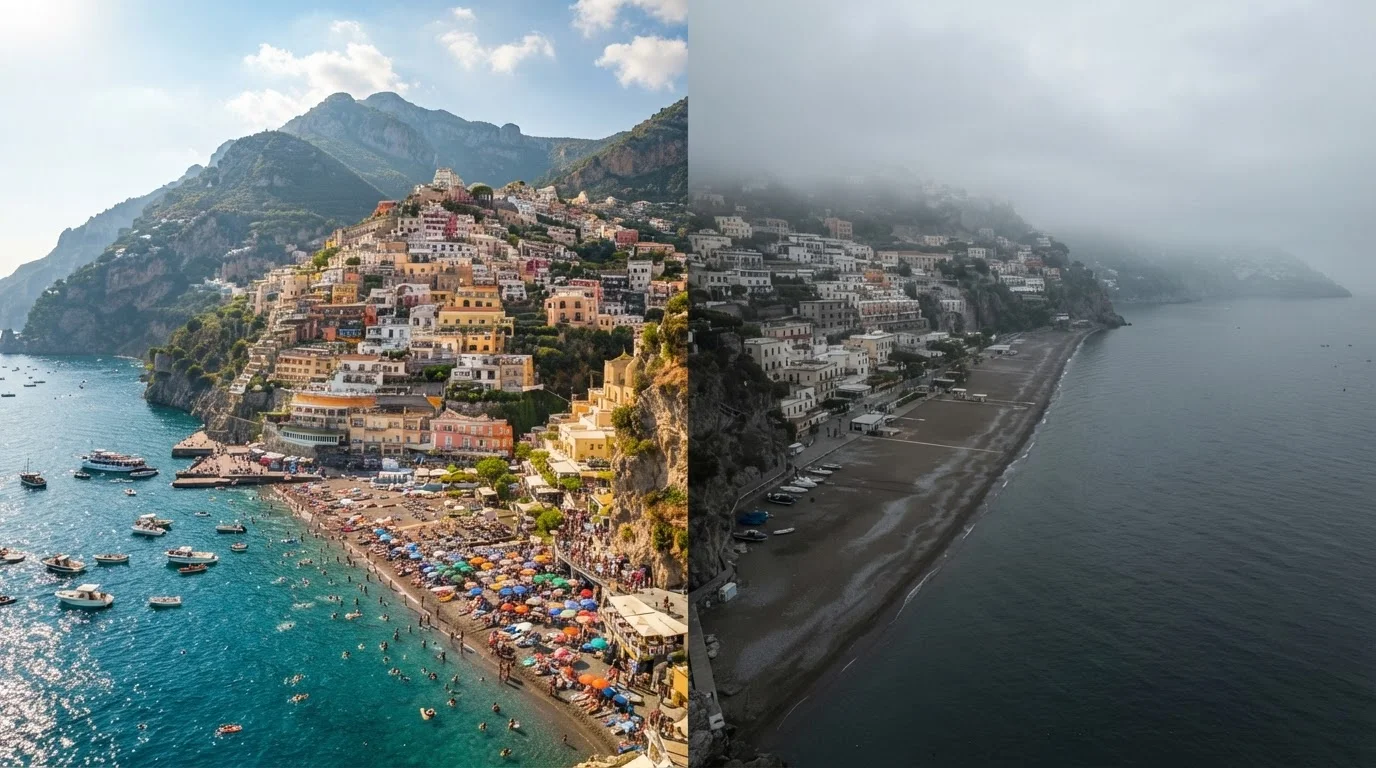
Key Takeaways
Why Timing Is One of Your Most Powerful Planning Decisions
Most first-time travelers spend hours comparing destinations but very little time asking a more fundamental question: when should I go? The timing of your trip influences almost everything - airfare, hotel availability, weather, the size of the crowds around you, and even how locals interact with visitors. Understanding how seasonality works gives you a real planning advantage before you book a single thing.
Travel seasons are typically grouped into three broad phases: peak season (when most tourists visit), shoulder season (the transitions on either side of peak), and off-season (the least-visited window). Each comes with a distinct set of trade-offs. There's no universally "right" choice - only the one that best fits your priorities, budget, and tolerance for certain conditions.
It's also worth noting that seasonality isn't a single global calendar. A beach destination in the Caribbean has a completely different peak window than a city in Scandinavia. See our guide to what shoulder season really means for a deeper look at how these windows shift by region. With that framing in place, here's how each seasonal factor plays out in practice.
Flight and accommodation prices fluctuate dramatically by season
Airfare and lodging prices are among the most visibly affected by seasonality. During peak travel windows - think summer in Europe or winter holidays in tropical destinations - demand surges and prices follow. Hotels that cost a moderate amount in the shoulder months can more than double during high season at the same destination.
Off-season travel generally offers the lowest rates, but those savings come with trade-offs like reduced services, closures, or less favorable weather. Shoulder season tends to offer the most balanced value: prices are meaningfully lower than peak but conditions are still quite pleasant. The key is defining what "value" means to you - a lower price that comes with a washout week of rain may not feel like a deal.
Prices at the same hotel can more than double between shoulder and peak season.
Crowd levels shape the quality of your actual experience
Even if budget isn't your primary concern, crowd density has a profound effect on how enjoyable a destination feels. Famous landmarks during peak season - the Eiffel Tower in July, Yellowstone on a summer weekend - can feel more like waiting in line than having a travel experience. Photographs you've dreamed of taking may come with a hundred strangers in the background.
Shoulder and off-season visits to the same sites often feel like a completely different experience. You have more room to explore at your own pace, interactions with locals can feel more genuine, and you're less likely to find that a restaurant or trail is simply too packed to be enjoyable. This matters especially for travelers who prioritize depth of experience over checking off a list of sights.
Visiting off-peak can make even world-famous landmarks feel intimate and unhurried.
Weather conditions vary - and not always in the ways you'd expect
Assuming that peak season always means best weather is one of the most common planning mistakes. In many tropical destinations, peak season actually falls in the dry, cooler months - while summer (technically the "warm" season) is prime hurricane or monsoon time. In parts of Southeast Asia, the most popular tourist window is during their cool-dry season, not the humid summer.
Before committing to dates, research your specific destination's climate patterns rather than assuming Northern Hemisphere summer equals good travel weather everywhere. Look at historical averages for temperature, rainfall, and any notable weather events (cyclone seasons, wildfire smoke windows, extreme heat periods). Always verify current travel and safety advisories through official government sources before you book.
Peak tourist season and peak weather season are often not the same thing.
Activity and attraction availability depends heavily on the season
Many activities, tours, and even attractions operate on seasonal schedules. A ski resort is irrelevant in July; whale-watching tours in a given region may only run for a few months; national park roads may be closed by snow from November through May. Conversely, some off-season destinations shut down significant portions of their tourism infrastructure when visitor numbers drop, meaning restaurants, museums, and tour operators may have reduced hours or close entirely.
This is especially relevant for experience-driven travelers. If a specific activity is central to why you want to visit a destination, confirm that it will actually be available during your intended dates - and book early if availability is limited by season. Our travel essentials hub covers other pre-trip logistics worth reviewing once your dates are locked in.
The activity you're most excited about may not operate during every travel window.
Local culture and atmosphere shift noticeably with the tourist calendar
Destinations don't feel the same year-round - not just because of weather or crowds, but because the local rhythm changes. During peak season, a charming fishing village might be so overwhelmed by visitors that the authentic character you came to experience is buried under souvenir shops and tourist menus. In the off-season, that same village may feel quiet to the point of being sleepy, with many businesses catering almost entirely to locals.
Shoulder season often captures the sweet spot: local life is visibly present, tourism infrastructure is operational, and the place hasn't yet tipped into feeling like a theme park version of itself. If cultural immersion is a priority for your trip, this is worth weighing deliberately. The way Americans experience destinations differently from locals is also shaped by which season you visit.
Shoulder season often preserves local character that peak season tourist volume can obscure.
Flexibility in your dates is one of your most underrated planning tools
You don't have to choose between a packed peak-season trip and a bare-bones off-season visit. In many cases, shifting your travel by just one or two weeks can land you in a meaningfully better window - avoiding school holiday rushes, catching the tail end of pleasant weather, or stepping just ahead of the most crowded stretch. This is where flexibility in your schedule becomes a genuine strategic asset.
If your dates are locked in by work or school schedules, focus your research on what to realistically expect during that fixed window and plan accordingly - book popular attractions in advance, set realistic crowd and cost expectations, and identify quieter alternatives to the most saturated sites. Planning around constraints is still planning. See how DIY planning compares to package travel when you want more control over timing.
Shifting your dates by even one week can land you in a far more comfortable travel window.
Putting It All Together Before You Book
Seasonality isn't one variable to check off a list - it's a lens that clarifies every other planning decision. Once you know which season you're targeting, you'll have a clearer sense of how far in advance to book, what to pack, and what to realistically expect. Our article on booking flights, accommodation, and activities in the right order walks through exactly how to sequence those reservations once your timing is set.
If you're road-tripping domestically, the same seasonal logic applies to routes and conditions - check out how seasons shape a road trip route for route-specific guidance. And if you haven't yet decided whether you're going solo or with a group, that choice also interacts with season - shoulder and off-season travel, for instance, can feel very different alone versus with companions. Our breakdown of solo travel vs. group travel covers the full picture.
The bottom line: timing isn't a detail to figure out after you've chosen a destination. It's part of the destination decision itself.
Start With the Destination's Climate Calendar
Before you set any dates, look up the destination's monthly climate averages and identify any weather patterns that could significantly impact your experience - rainy seasons, extreme heat, or storm windows. Many national tourism boards and travel resources publish reliable seasonal breakdowns. Cross-reference with your must-do activities to find the window where conditions and availability align best.