

Key Takeaways
Visa-Free Travel
Visa-free travel means citizens of one country can enter another country without applying for a visa in advance. Instead of going through a formal visa application process, travelers simply show up at the border or airport with a valid passport. Most visa-free arrangements come with specific conditions, including maximum stay limits and restrictions on what activities are permitted.
Visa-free access is typically established through bilateral or multilateral agreements between governments, and the terms can differ significantly depending on the traveler's passport - even between countries with otherwise close ties.
The Basic Idea: What 'Visa-Free' Actually Removes
When you hear that Americans can travel to a country "visa-free," it means one specific thing: you don't have to apply for a visa before you go. There's no form to file, no fee to pay in advance, no waiting for approval from an embassy. You book your flights, pack your bags, and show up at the border with your passport.
That's genuinely convenient - and it's worth appreciating. Traditional visa applications can take weeks, require supporting documents, and cost money. Visa-free arrangements eliminate all of that friction for eligible passport holders.
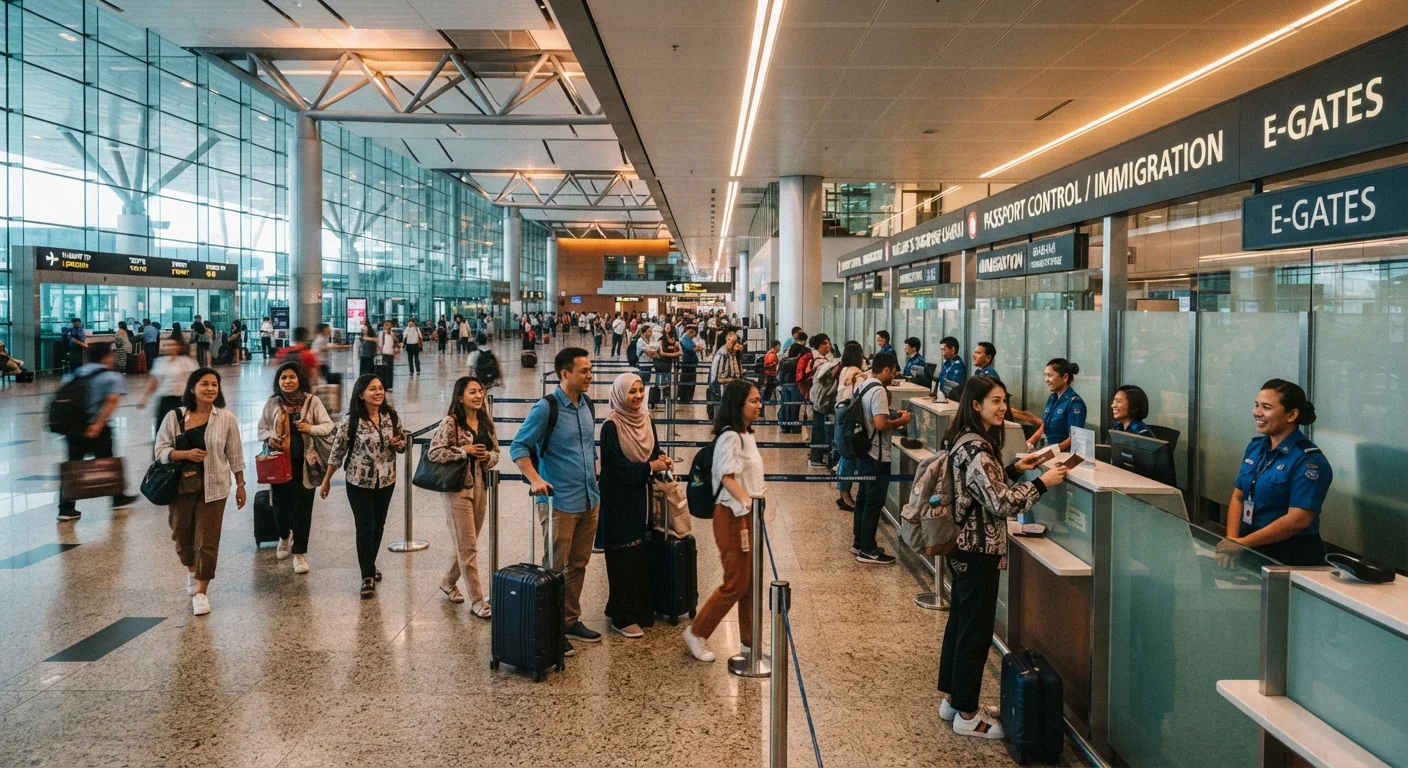
But it's important to understand what it doesn't remove: border inspection. Every international arrival still passes through immigration control, where an officer checks your documents, asks questions about your plans, and makes a judgment call about whether to let you in. Visa-free is not the same as border-free.
Visa-Free and Visa-on-Arrival Are Different
Visa-free means no visa is needed at all. Visa-on-arrival means you still get a visa - you just apply for it when you land rather than in advance. Both are more convenient than a full pre-trip application, but they carry different requirements and fees. Make sure you know which one applies to your destination before you travel.
The Conditions That Still Apply
Visa-free access almost always comes with a set of rules. The most important ones to know before you travel:
- Stay limits: Most visa-free allowances cap your visit - commonly 90 days within a 180-day window, or 30 days per entry. In the Schengen Area, that 90-day limit applies across all member countries combined, not per country. Overstaying can result in fines, deportation, and future entry bans.
- Purpose of visit: Visa-free entry is designed for tourism and short-term visits, not for working, studying, or long-term residence. Earning income, even remotely as a freelancer, can violate entry terms in many countries.
- Proof of onward travel: Border officers may ask to see a return or onward ticket. Some countries actively require it. Arriving without one - even in a visa-free country - can raise flags.
- Sufficient funds: Immigration officers can ask whether you have enough money to support yourself during your stay. Having access to funds and being able to demonstrate it helps.
For a deeper look at how to parse entry rules before you book, see Reading Visa Requirements Without Getting Lost in the Fine Print.
The eTA Wrinkle: Visa-Free Doesn't Always Mean Nothing to Do
Some countries that don't require a traditional visa do require something called an Electronic Travel Authorization (eTA) - a pre-trip digital registration that must be completed before you board your flight. Canada, Australia (as an ETA), and several other destinations use this system for eligible visitors.
An eTA is faster and far simpler than a visa application - many approvals come through in minutes - but skipping it can mean you're denied boarding at your departure airport. It's a real step, not a formality you can ignore. Essential Travel Document Terms Every First-Timer Should Know breaks down eTA and related terms in plain language.
Always Check Before You Book - Not After
Entry requirements can change between the time you start planning and when you actually depart. Make it a habit to verify requirements through the U.S. Department of State (travel.state.gov) and the destination country's official immigration website within a few weeks of your travel date. Booking based on outdated information is one of the most avoidable trip disruptions.
Why Your Passport Nationality Matters More Than You Think
Visa-free agreements are between governments, and they apply based on the passport you're traveling on - not just your citizenship status. Most Americans travel on a U.S. passport, which currently has visa-free or visa-on-arrival access to a large number of countries. But if you hold dual citizenship and carry two passports, the entry rules can differ significantly depending on which one you present.
Some countries also periodically change their agreements - adding eTA requirements, adjusting stay limits, or suspending visa-free arrangements entirely based on diplomatic relations. Conditions that were accurate when a friend traveled last year may not reflect today's rules.
90 days
Schengen Area stay limit per 180-day period
US passport holders can visit the 27-country Schengen Area for up to 90 days in any 180-day rolling window - not 90 days per country - per Schengen rules.
185+
Destinations accessible on a US passport without a pre-arranged visa
According to passport index trackers, US passport holders can access a significant number of global destinations visa-free or with visa-on-arrival, though terms vary widely by country.
Minutes
Typical eTA approval time for eligible travelers
Many electronic travel authorization systems, including Canada's eTA, process approvals in minutes for eligible applicants - though travelers are advised to apply before booking flights.
Always verify entry requirements through official government sources - the U.S. Department of State and the destination country's official immigration authority - close to your departure date. If you're planning a trip through several countries, the complexity multiplies. Planning a Trip Across Multiple Countries: What Gets More Complicated explains what to anticipate when visa-free rules overlap across a single itinerary.
This article is for general informational purposes only. Entry requirements, visa policies, and travel conditions can change without notice. Always verify current rules with official government sources and your destination country's embassy or consulate before traveling.