
The Emergency Fund Explained: What It Is, How Big It Should Be, and Where to Keep It

Key Takeaways
Emergency Fund
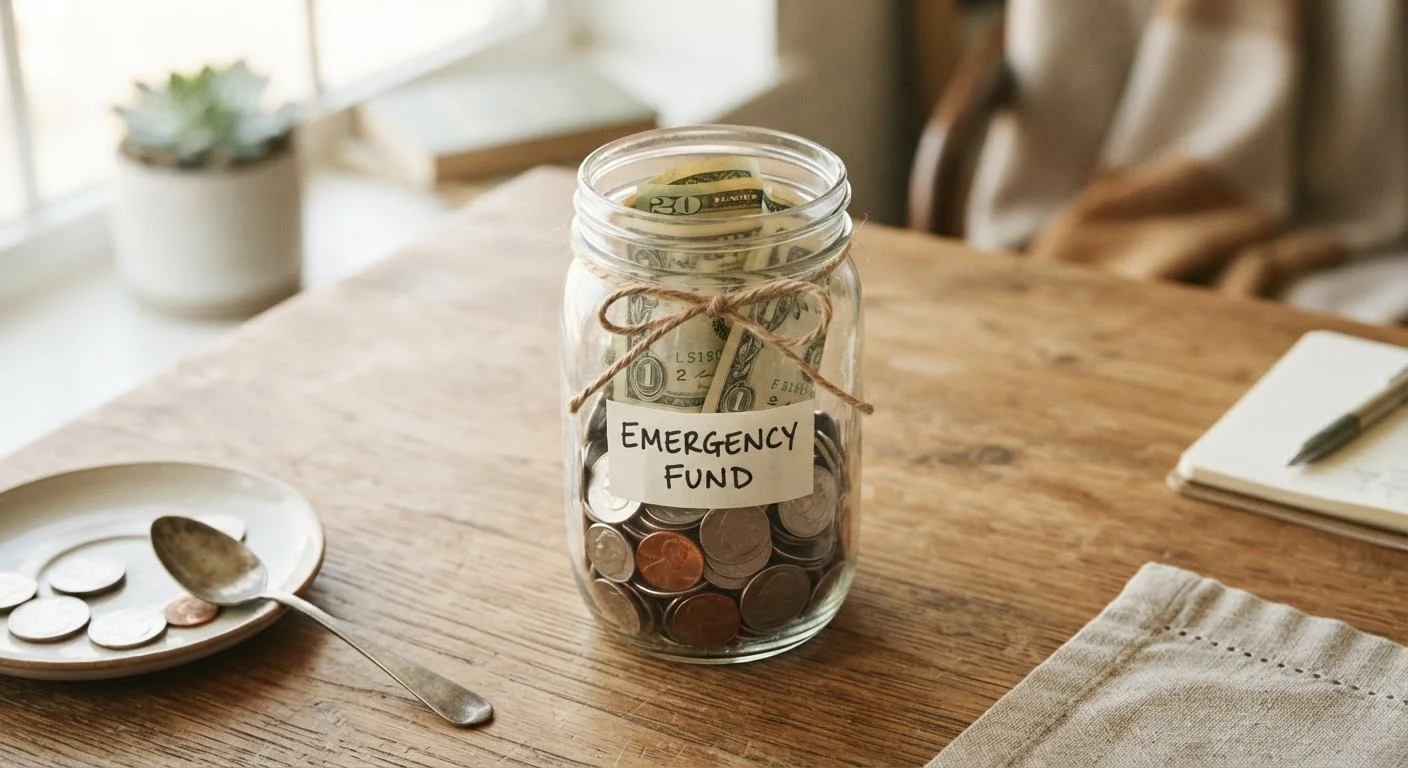
An emergency fund is a dedicated pool of money set aside specifically to cover unexpected, necessary expenses - things like a sudden job loss, a medical bill, or a car repair that can't wait. It sits separate from your everyday spending money, ready to be used only when a genuine financial emergency strikes. Think of it as a buffer that keeps one bad event from turning into a debt spiral.
In personal finance, an emergency fund is typically held in a liquid, low-risk account (such as a high-yield savings account) to ensure immediate access without penalties or market risk.
What an Emergency Fund Actually Covers
An emergency fund exists for one purpose: to absorb financial shocks that are unexpected and unavoidable. Understanding what does - and doesn't - qualify as an emergency is the first step to using this tool correctly.
Legitimate emergencies typically include:
- Job loss or a sudden gap in income
- Urgent or unplanned medical and dental costs
- Critical home repairs (a failed water heater, roof damage after a storm)
- Essential car repairs needed to maintain employment or safety
What doesn't qualify: a sale you don't want to miss, a vacation, or a gift for a planned occasion. Those are spending decisions, not emergencies - and mixing them with your emergency fund erodes its purpose.
If you find yourself saving for known upcoming costs - like annual car registration or holiday spending - a separate tool called a sinking fund is better suited to that job. See our guide to sinking funds to understand how they differ from an emergency fund and when to use each.
How Much Is Enough?
The most widely cited guideline is three to six months of essential living expenses. Essential expenses are the costs you'd still need to cover if your income stopped: rent or mortgage, utilities, groceries, transportation, minimum debt payments, and basic insurance.
To find your number, add up those monthly essentials and multiply by three or six. For example, if your core monthly expenses total $2,500, your full emergency fund target falls between $7,500 and $15,000.
~57%
Americans unable to cover a $1,000 emergency with savings
According to a Bankrate survey, more than half of U.S. adults could not cover a $1,000 unexpected expense from savings alone, highlighting how common this vulnerability is.
3-6 months
Recommended emergency fund size in essential expenses
This range is the standard benchmark cited by consumer finance educators, with the higher end recommended for those with variable income or fewer job prospects.
$1,000
Common starter emergency fund milestone
Many personal finance frameworks suggest $1,000 as a first target because it covers the majority of common single-incident emergencies while remaining reachable for most households.
That may feel like a large number if you're starting from zero - and that's okay. Financial educators widely agree that having any emergency savings is far better than having none. A common first milestone is $500 to $1,000, which covers many of the most common minor emergencies (an unexpected car repair, a medical co-pay) without requiring months of aggressive saving before you feel protected.
People with variable or freelance income often benefit from aiming toward the higher end of the range. If you're in that situation, our article on building a savings habit with irregular income addresses strategies tailored to unpredictable paychecks.
Where to Keep Your Emergency Fund
Your emergency fund should be kept somewhere that meets two requirements: accessible quickly and separate from your spending money. That combination prevents two problems - being unable to access funds in a crisis, and accidentally spending the money on non-emergencies because it's sitting in your checking account.
A dedicated savings account works well for most people. Many savers choose a high-yield savings account (HYSA), which is offered by many federally insured banks and credit unions. These accounts tend to offer interest rates higher than traditional savings accounts while keeping the money fully liquid - meaning you can withdraw or transfer it without penalties.
Open a Separate Account on Purpose
Keeping your emergency fund in a dedicated account - ideally at a different bank than your checking - creates healthy friction. It stays visible enough to track but inconvenient enough that you won't dip into it on impulse. Label the account 'Emergency Only' if your bank allows custom account names.
What to avoid:
- Investing it in the stock market. Markets fluctuate, and an emergency can happen exactly when the market is down.
- Certificates of deposit (CDs) with lock-up periods. Early withdrawal penalties defeat the purpose of having accessible cash.
- Keeping it in your main checking account. It will get spent.
Opening a dedicated account at a separate institution from your everyday bank can add an extra layer of friction - in a good way. The slight inconvenience of transferring between institutions makes it less tempting to dip in for non-emergencies.
How to Build It Gradually Without Feeling Overwhelmed
The most effective emergency fund strategy for beginners is consistency over speed. Small, regular contributions beat sporadic large deposits because they build the habit alongside the balance.
Practical starting steps:
- Set a starter goal. Aim for $500 or one month of essentials first. A manageable target keeps motivation high.
- Automate your contributions. Set up an automatic transfer to your savings account on payday - even $25 or $50 per pay period. What you don't see in checking, you're less likely to spend.
- Direct windfalls to the fund. Tax refunds, work bonuses, or cash gifts can accelerate progress without changing your monthly budget.
- Revisit your budget for small savings. Even trimming $30-$50 per month from discretionary spending can meaningfully increase contributions.
If you haven't yet worked out a monthly budget, exploring different budgeting frameworks can help you identify where contributions can realistically come from. Our comparison of budgeting methods walks through several approaches suited to new savers. For a step-by-step starting point, see setting your first savings goal.
Once your emergency fund is funded, you can direct that same savings momentum toward other goals - retirement, a home down payment, or managing competing priorities. Our article on short-term vs. long-term savings can help you balance both without feeling pulled in too many directions.
This article is for general informational and educational purposes only and does not constitute personalized financial advice. Please consult a qualified financial professional for guidance specific to your circumstances.