

Key Takeaways
Why Nutrition Feels So Confusing - And How to Simplify It
Open any news feed and you'll find competing claims: carbs are the enemy, fat is fine, protein is everything. The reason nutrition feels so contradictory is that nutrition science is genuinely complex, studies often involve small sample sizes or short durations, and media coverage tends to amplify single findings before consensus forms.
The good news: the foundational principles of healthy eating are well-established and far less dramatic than the headlines suggest. Understanding a handful of core concepts - macronutrients, micronutrients, meal balance, and hydration - gives you a reliable filter for cutting through the noise. For a deeper look at specific claims you may have encountered, see our article on common nutrition myths that examines what the evidence actually supports.
This article is for general informational purposes only and does not constitute medical or dietary advice. Consult a registered dietitian or qualified healthcare professional for guidance specific to your health needs.
Macronutrients: The Big Three Your Body Runs On
Every food you eat contains some combination of three macronutrients - nutrients needed in relatively large amounts that supply energy and structural building blocks.
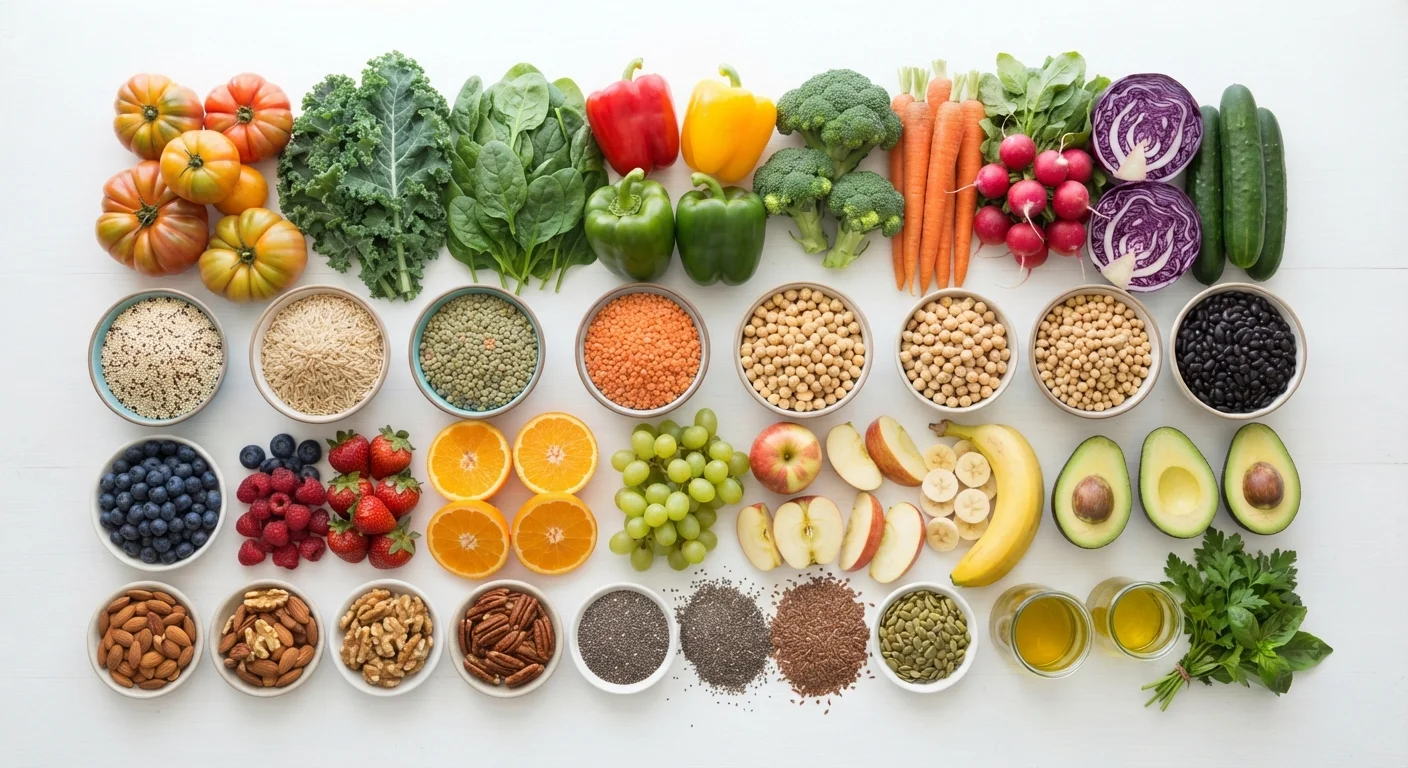
- Carbohydrates are your body's preferred fuel source, especially for your brain and muscles. They are found in grains, legumes, fruits, vegetables, and dairy. Whole-food carbohydrate sources - like oats, beans, and vegetables - come packaged with fiber, which slows digestion and supports stable energy levels.
- Protein is essential for building and repairing tissues, producing enzymes and hormones, and supporting immune function. Sources include meat, fish, eggs, dairy, legumes, tofu, and nuts.
- Fat supports cell membranes, hormone production, and the absorption of fat-soluble vitamins (A, D, E, and K). Unsaturated fats found in olive oil, avocados, and fatty fish are generally emphasized in dietary guidelines, while minimizing industrially produced trans fats is broadly recommended.
When evaluating a nutrition headline, ask whether it comes from a single study or a systematic review of many studies - the latter carries far more weight in establishing dietary guidance.
Single studies, especially observational ones, frequently produce results that aren't replicated. Systematic reviews and meta-analyses synthesize findings across multiple studies, offering a much stronger evidence base.
If you want to improve your vegetable intake, treat it as a logistics problem: buy pre-washed greens, keep cut vegetables visible at eye level in the refrigerator, and pair them with a dip you genuinely enjoy.
Behavioral nutrition research shows that accessibility and habit pairing significantly increase consistent consumption of foods people intend to eat more of but don't.
No macronutrient is inherently harmful. Context - how much, how often, and from what source - is what matters most.
Micronutrients: Small Amounts, Significant Impact
Vitamins and minerals are called micronutrients because the body needs them in smaller quantities than macronutrients - but their roles are anything but minor. They are involved in virtually every physiological process, from immune defense to bone formation to oxygen transport.
Key vitamins include vitamin C (found in citrus, peppers, and broccoli), B vitamins (widespread in whole grains, meat, eggs, and leafy greens), and vitamin D (synthesized through sun exposure and found in fatty fish and fortified foods). Essential minerals include calcium for bone health, iron for red blood cell production, and potassium for heart and muscle function.
The most practical way to cover your micronutrient needs is through dietary variety - eating a wide range of vegetables, fruits, whole grains, and proteins across the week rather than relying on any single food or supplement. Our practical grocery list can help you stock a kitchen that naturally delivers variety.
Building a Balanced Plate Without Counting Everything
The plate model - popularized by nutrition education tools like the USDA's MyPlate - offers a visual shortcut for balanced eating without arithmetic. The general framework suggests filling roughly half your plate with vegetables and fruit, a quarter with whole grains or starchy foods, and a quarter with a protein source, alongside a small amount of healthy fat.
This isn't a rigid prescription; it's a flexible guide. A stir-fry mixing vegetables, tofu, and brown rice achieves the same balance as a more traditional plate arrangement. The goal is proportionality over perfection.
Eating patterns matter as much as individual meals. Regularly skipping vegetables, over-relying on ultra-processed foods, or consistently eating very large portions of any single food group can create imbalances over time. If you're also building broader daily wellness routines, the comprehensive beginner's overview of daily healthy habits addresses how nutrition fits alongside sleep, movement, and mental well-being.
Hydration: The Nutrient People Most Often Forget
Water is technically a nutrient - and one that's often underappreciated. It regulates body temperature, transports nutrients, supports digestion, and is essential for virtually every metabolic process. Even mild dehydration can impair concentration, mood, and physical performance.
Individual fluid needs vary based on body size, activity level, climate, and health status, so there's no single number that applies universally. A practical starting point recommended by many health authorities is to drink enough fluid that your urine is pale yellow for most of the day. Plain water is the most effective source; many fruits and vegetables also contribute significantly to daily fluid intake.
Common dehydration signs include fatigue, headache, and difficulty concentrating. If you regularly experience these and aren't drinking much water, increasing fluid intake is a simple first step worth trying - though persistent symptoms should be discussed with a healthcare provider.
How to Start Eating Better Without Overhauling Your Life
Sustainable nutrition improvement rarely comes from dramatic dietary resets. Research consistently supports that small, specific changes - made one or two at a time - are more likely to stick than wholesale overhauls. Here are evidence-informed starting points:
- Add before you subtract. Focus first on including more whole foods (vegetables, fruit, legumes, whole grains) rather than immediately cutting things out. Adding often crowds out less nutritious choices naturally.
- Aim for variety across the week. Rotating your protein sources, vegetable choices, and grain types ensures broader micronutrient coverage than repeating the same meals.
- Plan one or two meals ahead. Even minimal planning - knowing what you'll eat for dinner on busy nights - reduces reliance on convenience foods.
- Read habits, not just ingredients. When, how fast, and why you eat influences nutrition outcomes alongside what you eat. Eating slowly and without distraction supports better portion awareness.
Eating habits intersect with many other lifestyle factors. The Daily Healthy Habits hub explores how nutrition connects to sleep, stress, and movement as part of a broader well-being picture. You may also want to review common eating habit misconceptions before making changes, so you're building on accurate foundations rather than popular myths.
Always consult a registered dietitian or qualified healthcare professional before making significant changes to your diet, especially if you have an existing health condition.