

Cars & Driving

The Road Trip Preparation Checklist Every Driver Needs

Share
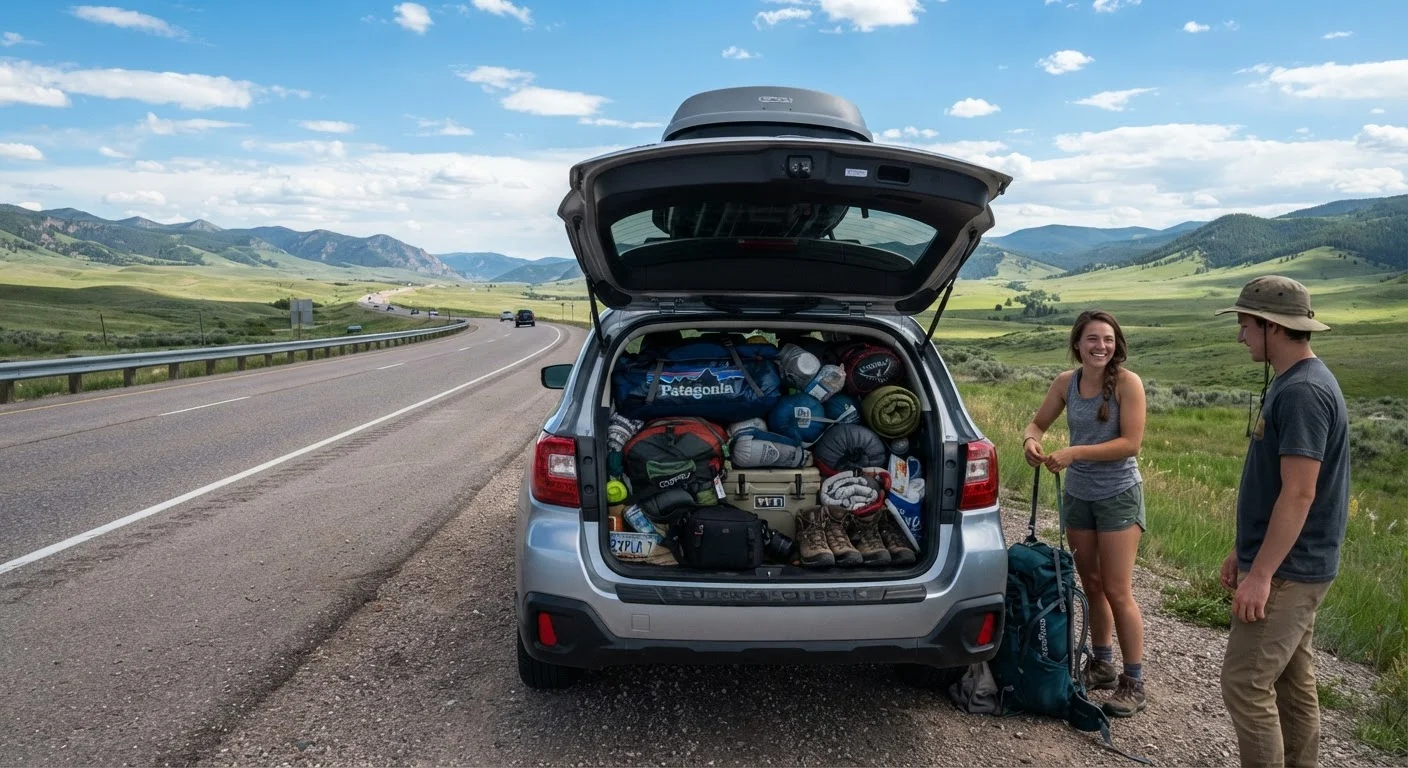
Open car trunk packed with road trip gear on a sunny open highway surrounded by green hills

Key Takeaways

Vehicle checks — tires, fluids, lights — are the most critical step before any long drive.
Carrying your license, registration, and insurance cards is legally required in every U.S. state.
A basic emergency kit can be the difference between a minor inconvenience and a serious roadside situation.
Route planning, including offline maps, reduces stress and prevents costly detours.
Packing smart means balancing comfort essentials with weight limits for fuel efficiency.
45–90 min

Summary

28 items · 45–90 minutes

Why a Checklist Makes Every Road Trip Better

Road trips are one of the most rewarding ways to travel — but the difference between a smooth adventure and a stressful ordeal usually comes down to what you did (or didn't do) before leaving the driveway. A preparation checklist isn't about being overly cautious; it's about giving yourself the freedom to enjoy the drive because you've handled the details in advance.

This checklist is organized into four practical categories: vehicle readiness, essential documents, packing and comfort, and safety gear. Work through each group the day before departure, and you'll set off with genuine confidence rather than vague hope. For a deeper look at what your car specifically needs before a long haul, see our vehicle readiness explainer.

Vehicle Readiness

Check tire pressure on all four tires (including the spare) using a gauge, and inflate to the vehicle manufacturer's recommended PSI found in the driver's door jamb. Must
Inspect tires visually for cuts, bulges, or tread wear — insert a quarter into the tread groove and replace if you can see the top of Washington's head. Must
Verify engine oil level using the dipstick; top off or schedule an oil change if you're within 1,000 miles of your next service interval. Must
Check coolant, brake fluid, power steering fluid, and windshield washer fluid levels and top off as needed. Must
Test all exterior lights — headlights, brake lights, turn signals, and reverse lights — and replace any burned-out bulbs before departure. Must
Confirm that windshield wipers are in good condition and replace them if they streak or skip — you may drive through unexpected rain. Should
Have your brakes inspected by a qualified mechanic if you notice any squealing, grinding, or soft pedal feel before the trip. Must

Documents and Identification

Confirm your valid driver's license is in your wallet and will not expire during the trip. Must
Locate your current vehicle registration document and place it in the glove compartment. Must
Carry proof of auto insurance — either a physical card or a digital copy your insurer officially supports in your state. Must
If driving a rental or borrowed vehicle, carry written owner authorization and verify the insurance coverage applies to you. Must
Note your roadside assistance membership number (AAA or your insurer's program) in your phone and on paper. Should

Route Planning and Navigation

Plan your primary route and at least one alternate in case of road closures, and note key exits for gas and food along the way. Must
Download offline maps for your route on your navigation app so you can navigate even without cell signal in rural areas. Should
Check for road construction, seasonal closures, or weather advisories along your planned corridor using your state DOT's website or a traffic app. Should
Share your itinerary — departure time, route, stops, and expected arrival — with someone who is not traveling with you. Should

Packing and Comfort

Pack water — at least one liter per person per day — and non-perishable snacks to reduce unnecessary stops and costs. Should
Prepare a small bag for in-cabin essentials: phone charger, sunglasses, lip balm, hand sanitizer, and any daily medications. Should
Distribute luggage weight evenly in the trunk and avoid stacking items that could shift and block rear visibility. Should
Pack a small cooler for temperature-sensitive items like medications, dairy products, or drinks to avoid repeated convenience store stops. Nice to have

Emergency and Safety Gear

Verify your spare tire, jack, and lug wrench are in the vehicle and that you know how to access them. Must
Pack a basic emergency kit containing jumper cables (or a jump starter pack), a flashlight with fresh batteries, reflective triangles or road flares, and a basic first-aid kit. Must
Keep a blanket and a pair of warm gloves in the trunk in case of an unexpected breakdown in cool weather. Should
Carry a phone car charger or a portable battery bank so your phone stays charged for navigation and emergency calls. Must
Add a multi-tool or Swiss army knife to your emergency bag — it handles a surprising range of minor roadside fixes. Nice to have

Tools and Resources to Have on Hand

Before you start working through the checklist, gather a few basic tools. You don't need a mechanic's workshop — just the right items within reach so you can check and top off as you go.

Required

Tire pressure gauge

Measures tire PSI so you can inflate or deflate to the manufacturer's recommended level before departure.

Required

Portable jump starter

Allows you to restart a dead battery without needing another vehicle — useful in remote areas.

Required

Flashlight or headlamp

Essential for checking under the hood or changing a tire safely in low-light conditions.

Required

First-aid kit

Provides basic medical supplies for minor injuries during the trip — bandages, antiseptic wipes, and pain relievers.

Required

Reflective triangles or road flares

Warns approaching traffic if you're broken down on or near the roadway.

Optional

Portable battery bank

Keeps your phone charged for navigation and emergency calls when you can't access a car charger.

Required

Offline navigation app (e.g., downloaded maps)

Provides turn-by-turn directions without relying on a cell signal in rural or remote areas.

If you're traveling with children, the packing and comfort sections require additional thought. Our guide on keeping kids comfortable on long drives covers age-specific strategies worth reviewing alongside this checklist.

A Few Things Worth Flagging Before You Go

Don't Skip the Brake and Tire Checks

Tires and brakes are your vehicle's primary safety systems — problems with either can escalate quickly at highway speeds. If you have any doubt about your brake feel or tire condition, have a qualified mechanic inspect them before the trip, not after. No departure schedule is worth compromising on these two items.

Overloading Can Affect Handling and Fuel Economy

Every vehicle has a maximum load capacity listed in the owner's manual. Exceeding it affects braking distance, steering response, and fuel consumption. When packing for multiple passengers plus luggage, be mindful of total weight — not just available trunk space.

Road trip costs can also catch drivers off guard if fuel, tolls, food, and lodging aren't estimated in advance. Our road trip budgeting guide walks through realistic cost categories so you're not surprised mid-trip. And if this is your first solo drive, the first solo drive preparation guide covers the mental and practical side of heading out on your own for the first time.

Finally, this checklist focuses on domestic driving. If your route crosses into Canada or Mexico, verify entry requirements, insurance coverage, and any vehicle documentation rules with official government sources well in advance — requirements change and vary by destination.

Cars & Driving Editorial Team is the collective byline for our editorial team and contributor network. Articles published under this byline or an editorial pen name are researched, written, and reviewed according to our editorial standards for clarity, consistency, and independence before publication.

View all articles by Cars & Driving Editorial Team →
Disclaimer: The content on this site is for informational purposes only and is not a substitute for professional advice. Always consult a qualified professional for guidance specific to your situation.