

Key Takeaways
Start here
Why Japan Rewards Travelers Who Venture Beyond Tokyo
Next
Key Regions to Know Before You Go
Then
Getting Around: The Rail Network Explained
Go deeper
Cultural Rhythms Every First-Timer Should Understand
Before you go
Practical Essentials Before You Board the Plane
Why Japan Rewards Travelers Who Venture Beyond Tokyo
Tokyo earns every superlative thrown at it - the neon-lit energy, the world-class food scene, the seamless transit grid. But treating it as Japan's only destination is a little like visiting the US and never leaving New York City. The country's true personality lives in its regions, and the contrast between them is striking enough to feel like multiple trips rolled into one.
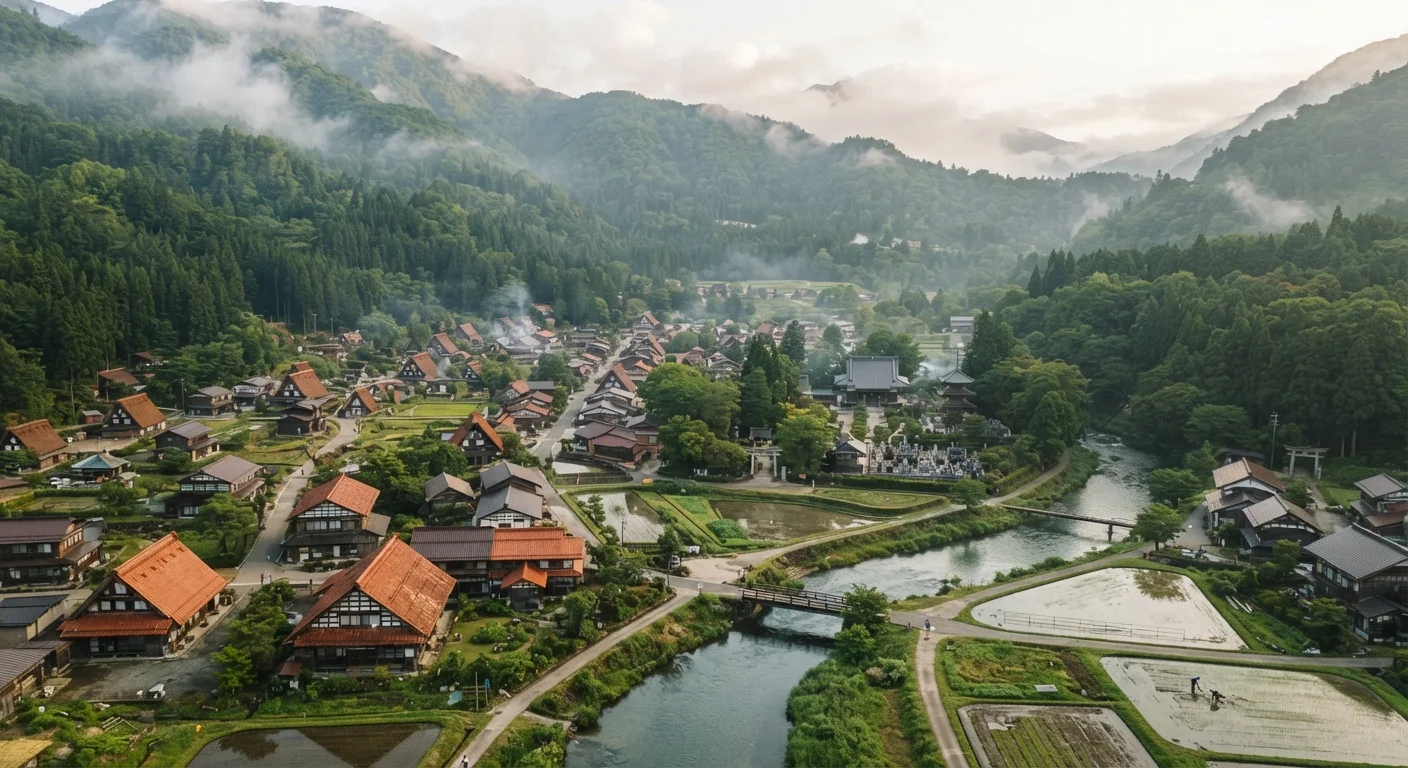
Japan spans roughly the same latitude range as the US East Coast, from subtropical Okinawa in the south to snowy Hokkaido in the north. Between those poles, the landscape shifts dramatically - bamboo forests, volcanic onsen towns, ancient castle districts, and fishing villages where the morning catch dictates the menu. First-time visitors are often surprised by how manageable and welcoming this diversity feels, even without prior travel experience. See our step-by-step trip planning guide if you're still building your confidence around organizing an international journey.
Key Regions to Know Before You Go
Rather than memorizing every prefecture, first-timers benefit from understanding Japan's major regional personalities.
- Kansai - The cultural heartland. Kyoto anchors it with over a thousand temples and shrines, while Osaka brings the food-forward energy and Nara offers deer that literally wander among ancient monuments. Hiroshima and its sobering Peace Memorial are a half-day trip from Osaka.
- Tohoku - Japan's rugged, less-traveled north. Think onsen villages buried in winter snow, samurai castle towns, and festivals that have run uninterrupted for centuries.
- Hokkaido - The northernmost main island is a landscape of open space unusual for Japan: national parks, ski resorts, dairy farms, and some of the country's best seafood.
- Kyushu - Warmer, volcanic, and deeply proud of its regional cuisine. The city of Fukuoka is a lively entry point, while towns like Beppu are famed for their hot spring scene.
Shinkansen
Japan's high-speed bullet train network connecting major cities. Trains travel at up to 200 mph and are known for exceptional punctuality.
Onsen
Natural hot spring baths fed by geothermal water. Soaking in an onsen is a beloved Japanese cultural tradition found across the country, especially in rural areas.
Ryokan
A traditional Japanese inn featuring tatami-mat rooms, communal baths, and multi-course meals. Staying in one is a distinctly different experience from a Western hotel.
IC Card
A rechargeable prepaid transit card (like Suica or PASMO) used to pay for trains, buses, and even purchases at many stores by tapping a reader.
JR Pass
A rail pass sold to foreign visitors that allows unlimited travel on Japan Railways (JR) lines, including many Shinkansen routes, for a fixed number of days.
Prefecture
Japan's equivalent of a US state. The country is divided into 47 prefectures, each with its own local identity, food culture, and landscape.
Choosing one or two regions beyond Tokyo - rather than trying to cover everything - typically makes for a more satisfying first trip.
Getting Around: The Rail Network Explained
Japan's train system is often cited as one of the most reliable in the world, and for good reason. The Shinkansen (bullet train) network connects Tokyo to Osaka in roughly 2.5 hours and reaches cities across Honshu, Kyushu, and Hokkaido. Trains depart on the minute and delays are genuinely rare.
For first-timers, the practical gateway to all of this is the Japan Rail Pass (JR Pass) - a timed pass that allows unlimited travel on most JR-operated lines. Whether it makes financial sense depends on your specific itinerary, so calculate your expected journeys before purchasing. Critically, the pass must typically be purchased outside Japan before you travel; confirm current rules through Japan's official tourism and rail resources.
Within cities, IC cards - rechargeable transit cards like Suica or PASMO - are the smoothest way to ride subways and buses. They also work at many convenience stores and vending machines, reducing the need to carry exact change constantly.
Download Transit Apps Before You Land
Apps like Google Maps and Hyperdia handle Japanese rail routing reliably and work well for planning connections between cities. Download offline maps for your destination regions too - data gaps occasionally happen outside major city centers. Having your route pre-loaded before stepping off the plane removes a significant layer of arrival-day stress.
Cultural Rhythms Every First-Timer Should Understand
Japan's social customs aren't difficult to learn, but they do matter - and locals genuinely appreciate even small efforts to respect them. Before you go, it's worth spending an hour on cultural orientation. Our guide on reading a destination's cultural norms before arrival walks through exactly why this preparation pays off.
A few things that stand out for American travelers:
- Quiet on transit - Phone calls on trains are considered rude. Conversations are kept low. This feels conspicuous at first, then peaceful.
- Shoes off indoors - Traditional ryokan inns, many temples, and some restaurants require removing shoes at the entrance. A slip-on pair travels well for this reason.
- Tipping is not practiced - Leaving a tip can actually cause confusion or discomfort. Excellent service is the standard, not a prompt for extra payment.
- Queue discipline - Lines form orderly and are respected everywhere, from convenience stores to train platform markings on the floor.
None of these norms require fluency in Japanese culture - just a little awareness and a willingness to follow the room.
Practical Essentials Before You Board the Plane
American citizens traveling to Japan should verify current visa and entry requirements well in advance through the US Embassy, Japan's Ministry of Foreign Affairs, or equivalent official channels - entry rules can change and no article should be treated as a substitute for official sources at time of travel.
A few essentials worth noting:
- Passport validity - Confirm your passport won't expire within six months of your return date. If you need a refresher on pre-trip logistics, our first international trip guide covers passports, packing, and planning in detail.
- Pocket Wi-Fi or SIM card - Staying connected is easy in Japan via rental pocket Wi-Fi devices or local data SIMs, available at major airports. Maps, translation apps, and transit tools all depend on having reliable data.
- Cash on hand - As noted earlier, Japan remains more cash-reliant than most American travelers expect. Arriving with some yen - or withdrawing from airport ATMs - avoids early friction.
- Travel insurance - Unexpected events happen on any trip. General travel insurance can cover trip interruptions, lost baggage, and medical situations abroad. Review what any policy covers carefully before purchasing.
Japan has a well-earned reputation for being one of the most approachable international destinations for first-time visitors. Its infrastructure is extraordinary, its hospitality genuine, and the reward for stepping past Tokyo's city limits is a country that keeps surprising you around every curve in the road.