

Key Takeaways
Why Credit Damage Often Goes Unnoticed
Your credit score is shaped by a set of factors that aren't always front of mind: payment history, amounts owed, length of credit history, new credit, and credit mix. The tricky part is that some everyday decisions - ones that feel neutral or even responsible - can quietly work against you in ways that take months to show up. By the time you notice a drop in your score, the cause may already be several statements old.
Understanding these hidden pitfalls is a practical first step toward protecting the score you've worked to build. As you'll see in how credit history shapes opportunities beyond borrowing, your credit report can affect more than loan approvals - it may influence rental applications and certain employment checks too.
Common Mistakes That Quietly Dent Your Score
The mistakes below are among the most frequently misunderstood - not because people are careless, but because the consequences aren't immediately obvious. Each one is avoidable once you know what to watch for.
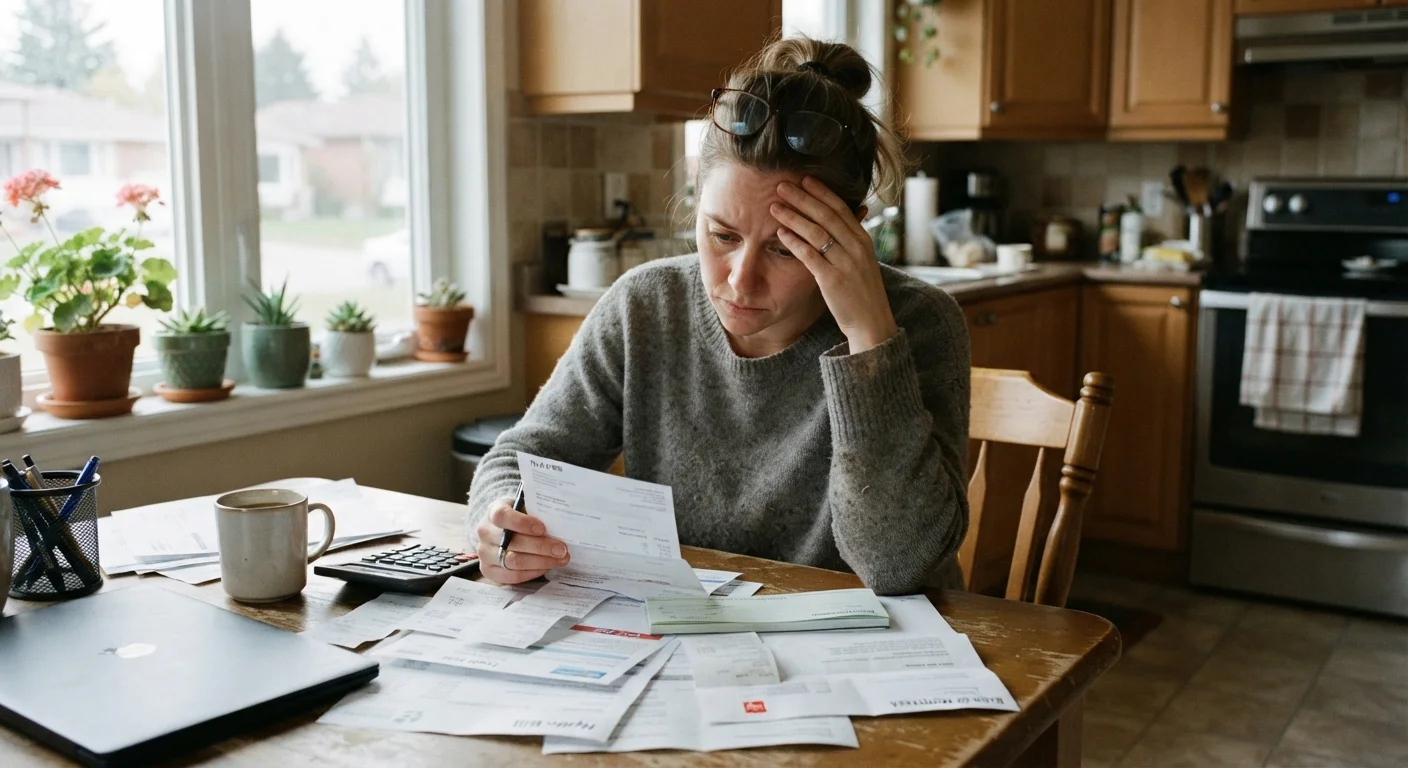
Ignoring small or unexpected bills, such as medical co-pays or final utility statements.
Why it happens: Small balances feel trivial and easy to overlook, especially when they arrive during a busy period or get buried in a pile of mail.
Co-signing a loan without understanding your shared financial responsibility.
Why it happens: People often co-sign out of generosity for a family member or friend, not fully realizing that the account appears on their own credit report.
Closing old credit card accounts you no longer use.
Why it happens: It feels tidy and responsible to shut down unused cards, but this reduces your total available credit and can shorten the average age of your accounts - two factors that influence your score.
Applying for multiple new credit accounts within a short period.
Why it happens: Shopping for credit - whether for a car loan, credit card, or personal loan - can lead to several applications in quick succession, each triggering a hard inquiry on your report.
Carrying a high credit utilization ratio, even while paying on time.
Why it happens: Many people assume that as long as they pay their bill each month, their score is protected - but the balance reported to bureaus (often the statement balance) can reflect high utilization.
For a closer look at what else people tend to misunderstand about how scores work, see common credit score myths.
Co-Signing Is a Serious Financial Commitment
When you co-sign a loan, you are legally equally responsible for the debt. If the primary borrower misses payments or defaults, those negative marks appear on your credit report too - regardless of whether you knew about the missed payment. Before agreeing to co-sign, understand that you have limited control over how the other person manages the account.
Building Better Habits Going Forward
Avoiding these missteps is only half the picture. Pairing that awareness with positive behaviors - consistent on-time payments, keeping balances low, and monitoring your credit report regularly - compounds your progress over time. The three major credit bureaus (Equifax, Experian, and TransUnion) are each required by federal law to provide consumers with a free report annually through the official AnnualCreditReport.com channel, giving you a way to spot errors before they cause harm.
If your score has already taken a hit, recovery is possible with patience and a clear plan. Rebuilding credit after financial difficulty outlines how the process works in practice. And if the root issue is spending patterns that make it hard to pay on time, exploring budgeting basics can help you get your cash flow under control first.
This article is for general informational and educational purposes only and does not constitute personalized financial or credit advice. For guidance specific to your situation, consider consulting a licensed financial professional.